
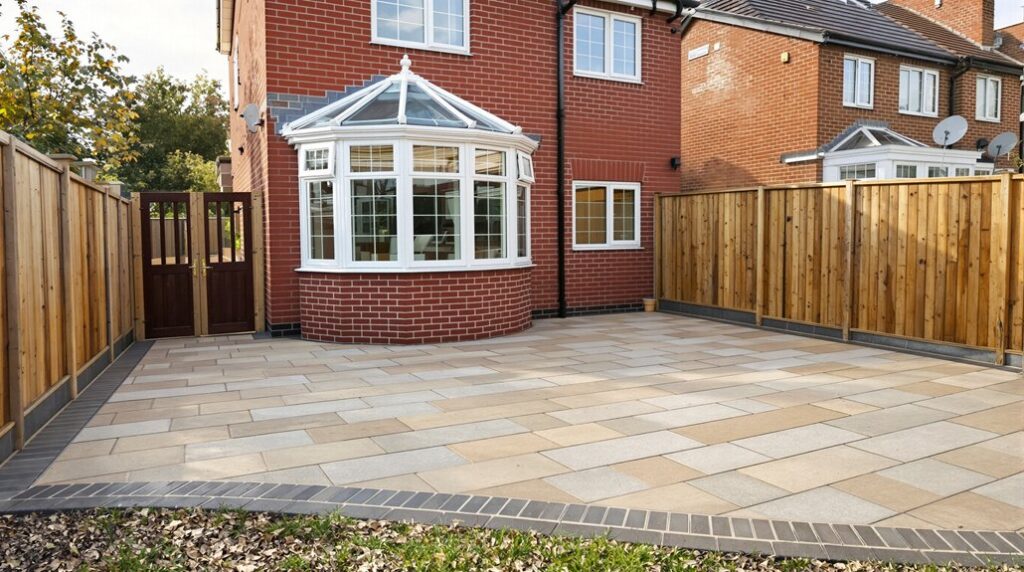
Driveway installation starts with choosing the right material—gravel runs $1–$3 per square foot, asphalt hits $3–$5, and concrete or pavers can reach $15. Your climate, soil, and budget all influence which option performs best. Proper site prep, grading, and drainage are just as critical as the surface itself. Skip these steps, and you’re looking at cracks, shifting, and flooding down the road. Keep going, and we’ll walk you through everything you need to know.
Which Driveway Material Is Right for Your Home?

Choosing the right driveway material shapes your home’s curb appeal, durability, and long-term maintenance costs, so it’s worth understanding your options before committing to one. Each material carries distinct trade-offs in cost, upkeep, and performance. Gravel driveways offer affordability and easy installation, though they require periodic replenishment and can scatter over time. Asphalt delivers durability at a moderate price but needs resealing every few years. If you’re exploring concrete alternatives, consider pavers or permeable concrete, which balance aesthetics with drainage benefits. Climate, soil type, and budget all influence which material performs best on your property. We recommend evaluating each option against your specific conditions rather than defaulting to the most popular choice. The right material saves you money and frustration long-term.
How Much Does Driveway Installation Cost?

Driveway installation costs vary widely depending on the material you choose, your property’s size, and local labor rates. Gravel driveways are the most affordable option, typically running $1–$3 per square foot, while asphalt averages $3–$5. Concrete and pavers cost considerably more, ranging from $6–$15 per square foot, but their material durability often justifies the higher upfront investment.
Don’t overlook additional expenses beyond materials and labor. Excavation, grading, drainage work, and driveway permits can add hundreds or even thousands of dollars to your total. Permit requirements vary by municipality, so check local regulations before starting your project.
We recommend getting at least three contractor quotes to compare pricing accurately. A higher initial cost often means lower maintenance expenses down the road, making it a smarter long-term investment.
Should You Install Your Own Driveway or Hire a Pro?

Whether you tackle driveway installation yourself or hire a professional depends on the material you choose and your skill level. DIY advantages include saving on labor costs and working at your own pace, but they come with real limitations. Gravel driveways are the most beginner-friendly option, while asphalt and concrete require specialized equipment and expertise that most homeowners don’t have.
Cost considerations matter greatly here. Hiring a pro for concrete or asphalt guarantees proper grading, drainage, and long-term durability, which can save you money on repairs down the road. A poorly installed driveway can crack, shift, or flood your property. We recommend hiring a licensed contractor for complex materials and reserving DIY efforts for simpler projects like gravel or pavers with manageable layouts.
How to Prepare Your Property Before Driveway Installation

Before any material gets laid down, proper site preparation is the foundation of a driveway that lasts. We recommend starting with a thorough site assessment to identify slopes, soil conditions, and existing obstacles like tree roots or utility lines.
Next, we’ll need to address drainage considerations carefully. Poor drainage leads to pooling water, erosion, and premature cracking. We should grade the surface so water flows away from the home and toward a designated runoff area.
Clear all vegetation, rocks, and debris from the project zone. If the soil is soft or unstable, we’ll compact it or add a gravel base layer for proper support.
Skipping these steps creates costly problems later, so we should invest the time upfront to get the groundwork right.
The Step-by-Step Driveway Installation Process

Once the groundwork is set, the installation process follows five core stages: excavation, base preparation, edging installation, surface material placement, and finishing. We remove soil to the required depth, then compact a gravel sub-base to support your chosen material. Edging locks the driveway design in place while directing water toward integrated drainage solutions.
| Stage | Key Action |
|---|---|
| Excavation | Remove 6–8 inches of soil |
| Base Preparation | Compact gravel sub-base layer |
| Surface Placement | Install asphalt, concrete, or pavers |
After surface placement, we seal edges, confirm proper slope for drainage solutions, and inspect the finished surface for uniformity. Each stage builds directly on the last, so skipping one compromises the entire structure’s longevity.
How Long Does a New Driveway Take to Install?

How long does a new driveway take to install? The installation timeline varies depending on the material you choose. Gravel driveways can be completed in a single day, while asphalt typically takes one to three days. Concrete driveways require more time, often spanning two to five days, plus additional curing time before you can drive on them. Pavers take the longest, sometimes requiring a full week or more.
Weather considerations play a significant role in scheduling. Rain, extreme heat, or freezing temperatures can delay installation or compromise the final result. We always recommend planning your project during mild, dry conditions for the best outcome. Factor in both the installation period and any necessary curing or settling time when setting your expectations.
Common Driveway Installation Mistakes That Lead to Premature Failure

Even small mistakes during driveway installation can lead to cracking, sinking, and premature deterioration that costs far more to fix than to prevent. We’ve seen countless driveways fail early because of avoidable errors. Here are the four most common culprits:
- Poor subgrade preparation – Skipping proper compaction creates an unstable foundation that shifts under load.
- Ignoring drainage issues – Water that pools or flows beneath your driveway accelerates erosion and undermines structural integrity.
- Incorrect material thickness – Cutting corners on depth leaves the surface vulnerable to cracking under vehicle weight.
- Rushing the curing process – Driving on fresh concrete or asphalt before it’s fully set causes permanent surface damage.
Avoiding these mistakes protects your investment greatly.
How to Protect and Maintain Your New Driveway
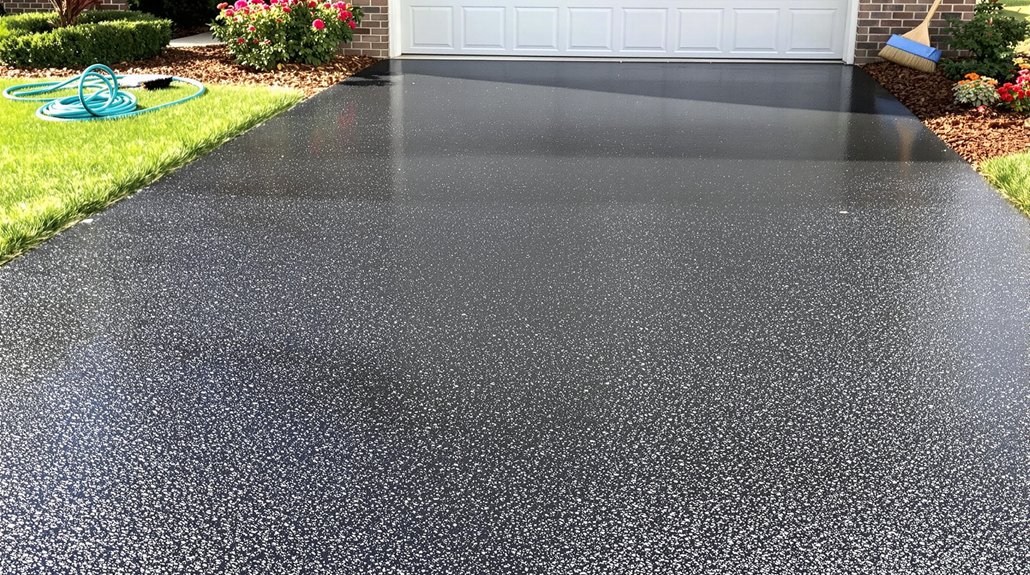
After all the work that goes into a proper driveway installation, protecting that investment takes surprisingly little effort. We recommend applying sealant within the first year, then repeating every two to three years depending on traffic and climate. Proper sealing techniques matter — always clean the surface thoroughly, fill any cracks first, and apply sealant in dry, mild weather conditions.
Seasonal maintenance keeps your driveway performing year after year. In winter, avoid metal-edged snow shovels that scratch surfaces, and use calcium chloride instead of rock salt to minimize chemical damage. In spring, inspect for frost heave damage and address cracks early. During summer, keep heavy vehicles off asphalt on extremely hot days to prevent rutting. Consistent attention prevents the premature failures we outlined earlier.