
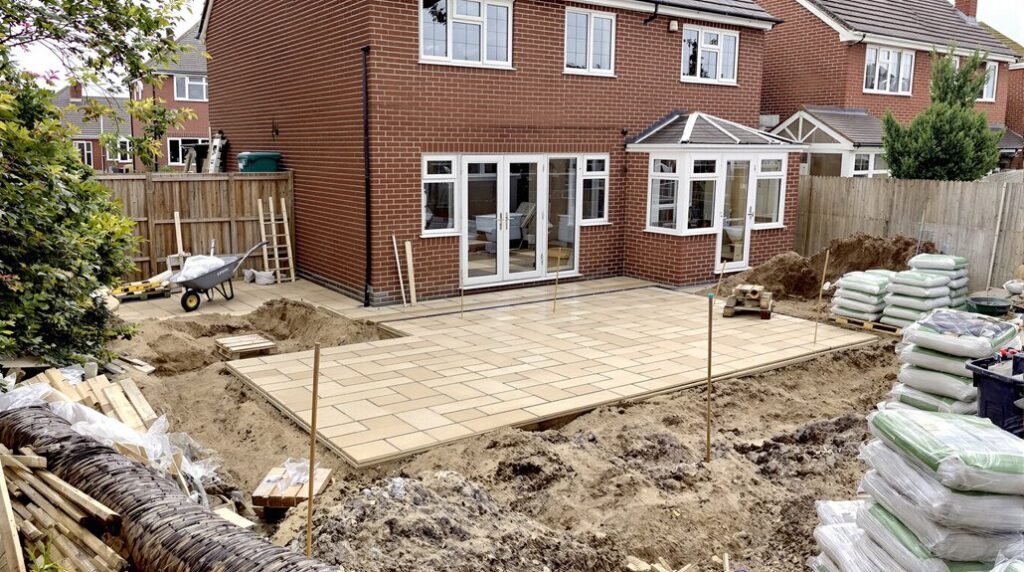
Driveway excavation and grading are the foundation of any long-lasting driveway. We typically dig 8 to 12 inches deep, depending on soil type, climate, and driveway material. Proper grading — usually a 1 to 2% slope away from your home — prevents water pooling and structural damage. Skipping either step leads to cracking, settling, and costly repairs down the road. Stick with us, and we’ll walk you through everything you need to know.
What Is Driveway Excavation and Why It Matters?

Driveway excavation is the process of removing soil, rock, and debris to create a stable foundation for a paved or gravel surface. Without proper excavation, your driveway will shift, crack, and deteriorate prematurely. We assess soil composition early in the planning phase because weak or expansive soils require deeper removal and stronger base materials. The excavation depth also depends on your driveway design, local climate, and intended load capacity. A well-executed excavation prevents water pooling, uneven settling, and structural failure. We’re fundamentally building from the ground up, so what happens below the surface directly determines how long your driveway performs. Skipping or rushing this step creates costly problems down the road that could’ve been avoided with proper preparation from the start.
How Deep Should You Excavate for a Driveway?
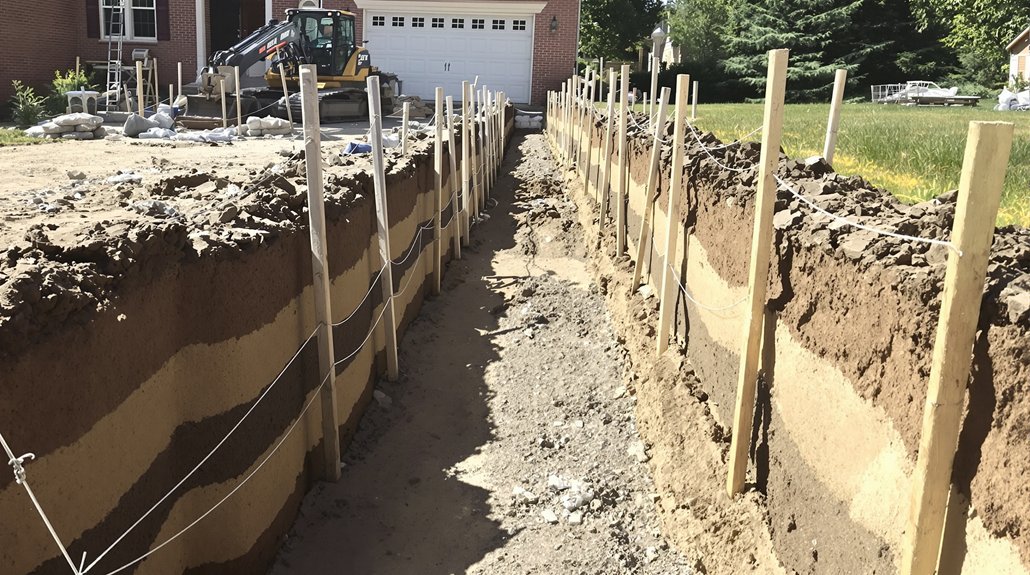
Excavation depth depends on several factors, including soil type, climate, and what you’re paving over it. For most driveways, we recommend excavating 8 to 12 inches deep. This gives you enough room for a solid base layer and your chosen surface material.
Getting the depth right from the start means accounting for soil type, climate, and your chosen surface material.
In colder climates, you’ll need greater excavation depth to account for frost heave, which can destroy driveway stability if you cut corners. Sandy or loose soils also demand deeper digging and more compacted fill.
Here’s a general breakdown:
- Asphalt driveways: 8–10 inches
- Concrete driveways: 8–12 inches
- Gravel driveways: 6–8 inches
We always recommend a soil assessment before digging. Getting the depth right from the start protects your investment long-term.
What Equipment and Base Materials the Job Actually Requires

Once you know how deep you’re digging, you need the right equipment and materials to do it properly. For most residential driveways, we rely on a skid steer or mini excavator to handle excavation techniques efficiently. Hand tools work for small areas, but machinery saves time and produces more consistent depth.
For base materials, we typically use crushed stone or compacted gravel in layers. A 4–6 inch layer of compacted aggregate base gives your driveway the structural support it needs to handle vehicle loads without shifting or sinking. You’ll also need a plate compactor to properly compress each layer.
Don’t skip the compaction step. Loose base materials fail quickly, no matter how well your surface layer looks.
How to Grade Your Driveway for Proper Drainage

Grading determines whether your driveway sheds water effectively or pools it in all the wrong places. We can’t overstate the slope importance here — a 1-2% grade away from your home is the standard target. Without it, water undermines your base and accelerates surface deterioration. Here are the drainage techniques we rely on most:
Proper grading isn’t optional — without a 1-2% slope away from your home, water wins every time.
- Crown grading — raise the centerline so water runs off both sides
- Cross-slope grading — tilt the entire surface toward one edge or a swale
- Perimeter swales — channel runoff away from the driveway’s edges
- Catch basins — install at low points where natural grading isn’t enough
Check your grade with a string line and level before laying any base material.
Common Excavation Mistakes That Ruin Driveways

Even small excavation mistakes can compromise an entire driveway before the first load of base material arrives. We see the same problems repeatedly: digging too shallow, ignoring soil conditions, and skipping proper slope planning. These errors create weak foundations that crack and shift under vehicle weight.
Poor material choices compound the damage. Backfilling with unstable soil or organic debris instead of compactable gravel invites settling and erosion. Inadequate compaction is equally destructive—loose subgrade layers shift under load, creating ruts, sinkholes, and uneven surfaces that worsen every season.
We also see contractors cutting corners on edge definition, leaving unstable borders that crumble outward over time. Address each of these mistakes during excavation, and you’ll avoid expensive repairs down the road.
When to DIY vs. Hire a Driveway Grading Professional

Knowing what mistakes to avoid is half the battle—the other half is deciding whether you’re equipped to handle the work yourself. Consider DIY if your project is small, flat, and straightforward. Hire a professional when:
Knowing what mistakes to avoid is half the battle—the other half is knowing whether you’re equipped to handle the job.
- Slope corrections or drainage issues require precision grading equipment
- Cost considerations exceed what renting tools and risking errors would actually save
- Project timeline is tight and delays could damage your property or landscaping
- Soil conditions involve clay, rock, or unstable ground needing expert assessment
We recommend honest self-evaluation before grabbing a shovel. Professionals bring experience, equipment, and accountability. DIY saves money on simple jobs but costs more when mistakes require correction. Match the project’s complexity to your actual skill level.