
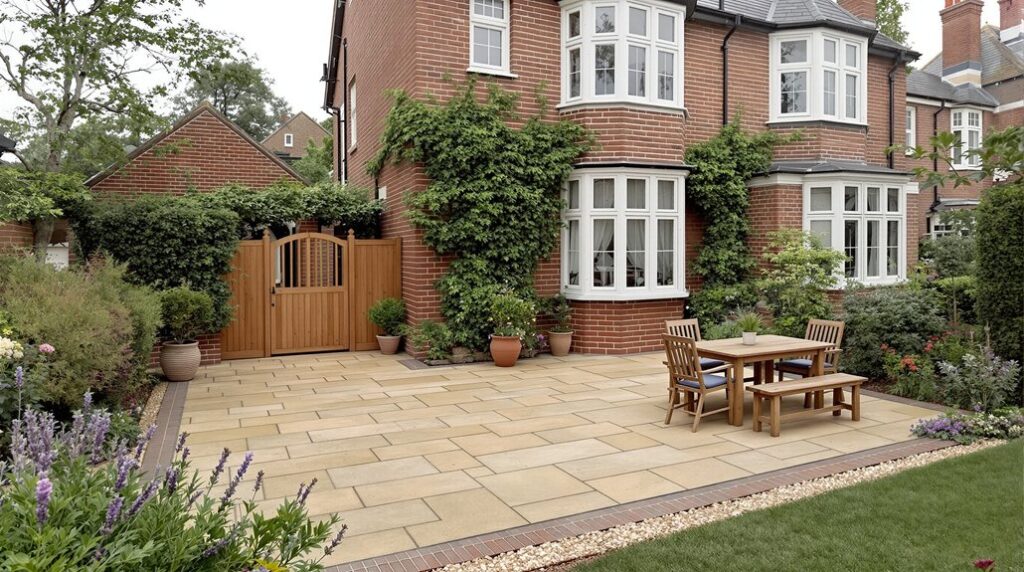
Hertfordshire’s architectural landscape tells centuries of English history through its Tudor timber frames, Georgian symmetry, and Victorian grandeur. Yet many heritage property owners face a common dilemma when updating their driveways: how to balance modern functionality with historical authenticity. The wrong material choice can compromise a building’s character and potentially violate conservation regulations. Understanding which approaches honor these properties while meeting contemporary needs requires careful consideration of specific factors.
Understanding Period-Appropriate Materials for Heritage Properties
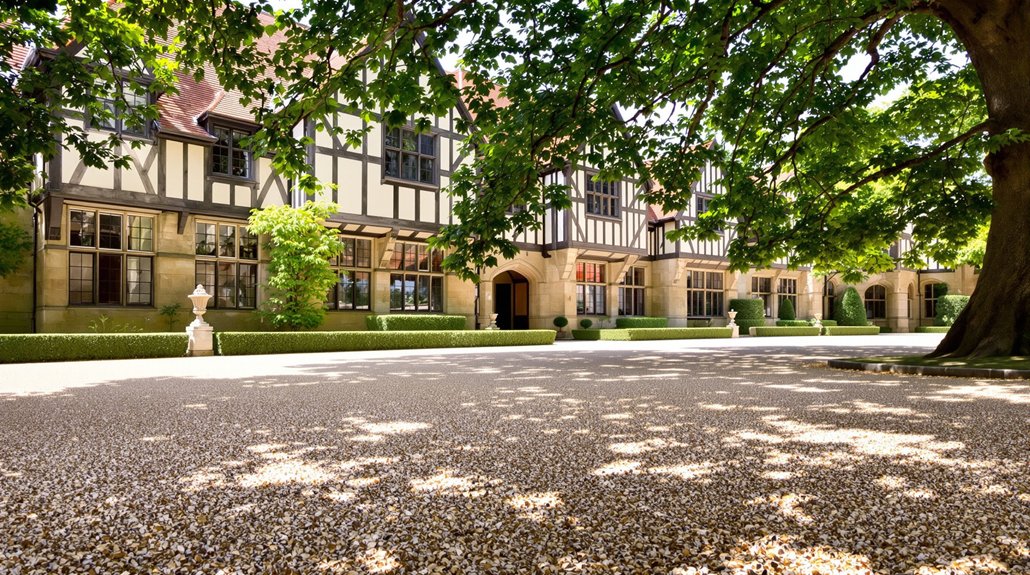
When designing driveways in Hertfordshire for heritage properties, selecting materials that align with the building’s historical period requires careful consideration of both authenticity and practicality. Georgian estates traditionally featured gravel drives, while Victorian properties often incorporated brick or stone elements that complemented architectural details. Tudor and Jacobean homes benefit from natural stone or clay pavers that reflect period construction methods.
Modern heritage restoration emphasizes sustainable sourcing of materials, ensuring environmental responsibility without compromising historical accuracy. Reclaimed brick, locally quarried stone, and traditional textures maintain visual consistency with original construction. These materials weather naturally, developing patinas that enhance rather than detract from heritage aesthetics. Options like resin driveways provide the unique beauty and durability needed for heritage properties while maintaining period-appropriate aesthetics.
Specialists recommend consulting conservation officers before finalizing material choices, as planning permissions for listed buildings require demonstrated sensitivity to historical context and neighborhood character preservation.
Planning Permission Requirements for Listed Buildings and Conservation Areas
Although driveway alterations may appear straightforward to property owners, listed buildings and conservation areas require formal planning permission for most external modifications. Listed building regulations mandate consent for any works affecting a structure’s character, including driveways, gates, and boundary treatments. Property owners must submit detailed applications demonstrating how proposed changes preserve historical significance.
Conservation area guidelines impose additional restrictions, requiring planning permission for new driveways or significant alterations to existing ones. Local planning authorities scrutinize materials, design, and visual impact on the surrounding streetscape. Applications typically require heritage statements, detailed drawings, and material specifications.
Consultation with conservation officers early in the planning process proves crucial. Professional heritage consultants can navigate complex approval procedures and guarantee compliance with both listed building regulations and conservation area guidelines.
Tudor and Medieval Properties: Maintaining Authentic Character
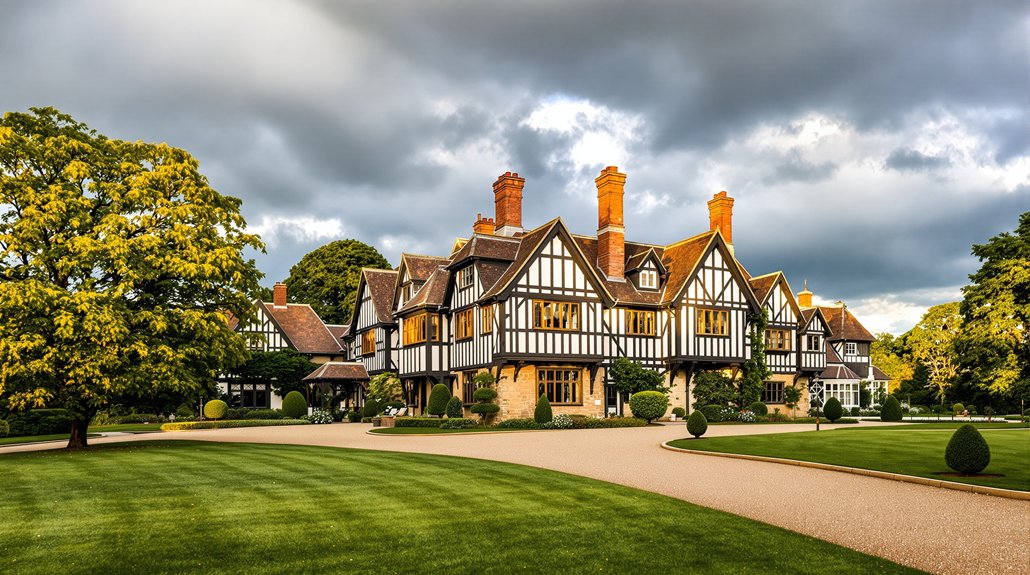
Tudor and medieval properties present unique challenges for driveway design due to their distinctive architectural features and historical significance. These historic homes require careful consideration to preserve their authentic character while accommodating modern vehicular access needs.
Traditional materials like reclaimed brick, natural stone, or gravel complement tudor aesthetics effectively. Herringbone brick patterns echo period construction methods, while Yorkshire stone or local flint reflect regional building traditions. Medieval elements such as cobblestones or crushed limestone create appropriate visual harmony with ancient facades.
Driveway layouts should respect the property’s original approach routes and avoid overwhelming the building’s proportions. Curved pathways often suit these properties better than stark geometric designs. Incorporating traditional edging materials like timber or stone kerbing helps maintain period authenticity while defining clear boundaries for modern usage requirements.
Georgian Estate Driveways: Classical Elegance and Proportions
Georgian estates embody architectural sophistication that demands equally refined driveway designs reflecting the period’s emphasis on symmetry, proportion, and classical detailing. These grand properties require driveways that complement their elegant facades through careful material selection and layout planning.
Gravel remains the quintessential choice, particularly pale limestone or York stone chippings that echo the period’s refined palette. Sympathetic scaling guarantees the driveway width and curves match the mansion’s imposing presence without overwhelming the landscape. Georgian aesthetics favor gentle sweeping approaches rather than abrupt turns, creating graceful shifts from public roads to private domains.
Formal elements such as stone gateposts, iron railings, and strategically positioned mature trees enhance the classical atmosphere. Box hedging and geometric planting schemes further reinforce the period’s love of ordered, harmonious design principles throughout the estate’s entrance sequence.
Victorian Era Homes: Balancing Ornate Details With Practicality
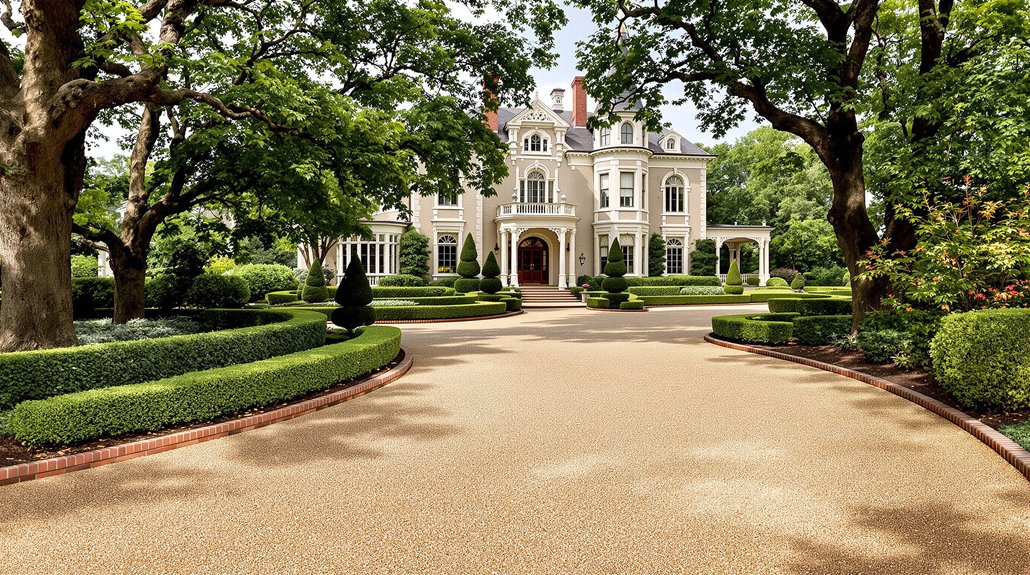
Victorian era homes present unique driveway challenges that require careful navigation between the period’s characteristic decorative flourishes and modern functional demands. These properties typically feature elaborate architectural elements that demand thoughtful interpretation in driveway design.
Successful Victorian driveway projects incorporate ornate features while maintaining practical solutions:
Authentic Victorian driveways balance ornamental design elements with modern functionality through strategic material selection and thoughtful architectural integration.
- Clay brick borders with herringbone patterns echo period detailing without compromising structural integrity
- Cast iron edging strips provide authentic Victorian character while defining clear boundaries for modern vehicles
- Natural stone setts create texture and visual interest whilst ensuring adequate drainage capabilities
- Decorative gates and pillars establish grand entrances that complement the home’s elaborate facade
The key lies in selecting materials that honor the Victorian aesthetic while accommodating contemporary requirements for durability and maintenance efficiency.
Gravel Driveways: Traditional Solutions for Historic Settings
Heritage homeowners consistently discover that gravel driveways offer an ideal marriage between historical authenticity and practical functionality. Traditional gravel remains one of the most appropriate driveway materials for period properties, providing excellent drainage while maintaining visual harmony with historic architecture.
Different gravel types suit various heritage aesthetics. Honey-coloured Cotswold stone complements Georgian facades, while darker flint gravel enhances Tudor and Victorian properties. The natural variations in colour and texture create visual interest without overwhelming delicate architectural details.
Proper installation requires careful consideration of depth, edging, and substrate preparation. Well-constructed gravel surfaces develop attractive patina over time, becoming more characterful with age. Regular maintenance involves periodic raking and occasional top-dressing to preserve appearance and functionality while respecting the property’s historical significance.
Natural Stone Options That Complement Hertfordshire Architecture
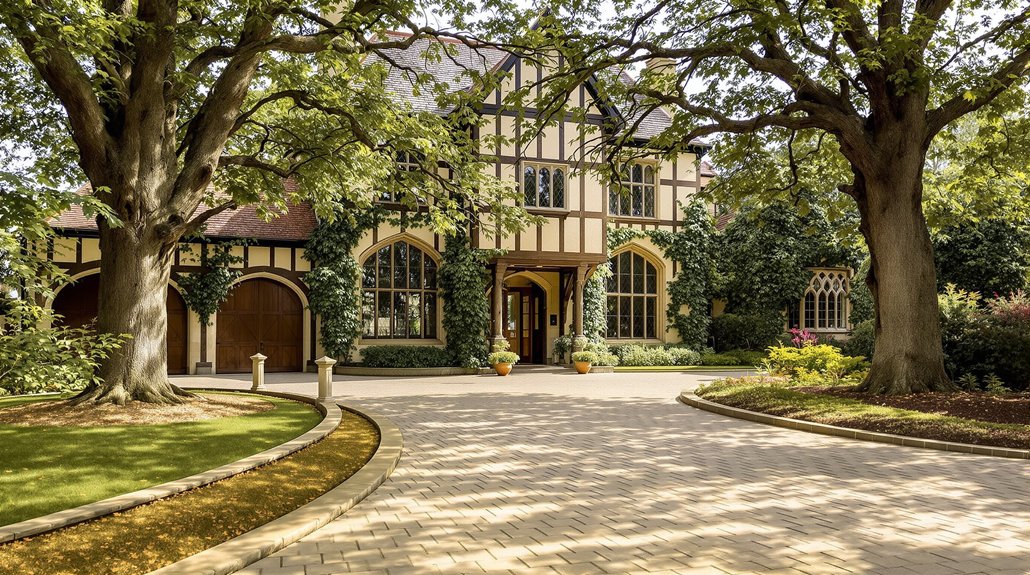
While gravel provides excellent historical authenticity, natural stone driveways offer Hertfordshire homeowners unparalleled durability and architectural harmony that can last centuries. These materials create seamless connections between property boundaries and historic buildings, enhancing driveway aesthetics through careful material selection.
Local quarries provide several natural stone types that complement regional architecture:
- Hertfordshire puddingstone – Creates distinctive driveways matching vernacular building traditions with its characteristic flint-embedded limestone composition
- York stone – Delivers warm honey tones that harmonize with Tudor and Georgian facades throughout the county
- Reclaimed granite setts – Provides Victorian-era authenticity while offering superior load-bearing capacity for modern vehicles
- Local chalk blocks – Mirrors traditional building materials found in medieval Hertfordshire structures
Proper installation guarantees these investments enhance property values while respecting architectural heritage.
Brick and Clay Paving: Regional Materials and Local Traditions
Throughout Hertfordshire’s historic settlements, brick and clay paving materials demonstrate centuries-old manufacturing techniques that produced distinctive regional characteristics still visible in contemporary driveway applications. Local clay deposits influenced color variations across the county, from deep reds near Berkhamsted to warmer orange tones around St. Albans. Traditional handmade bricks exhibit subtle irregularities that create authentic texture and visual interest when laid in herringbone or basket-weave patterns.
Local craftsmanship traditions emphasized practical functionality while maintaining aesthetic appeal. Regional variations in firing techniques produced bricks with different hardness levels and weather resistance properties. Modern reclaimed brick suppliers often source materials from demolished Victorian buildings, ensuring authenticity. Clay pavers offer superior durability compared to concrete alternatives while maintaining permeability for sustainable drainage. These materials naturally complement timber-framed and Georgian brick facades common throughout Hertfordshire’s architectural landscape.
Modern Alternatives That Respect Historical Aesthetics
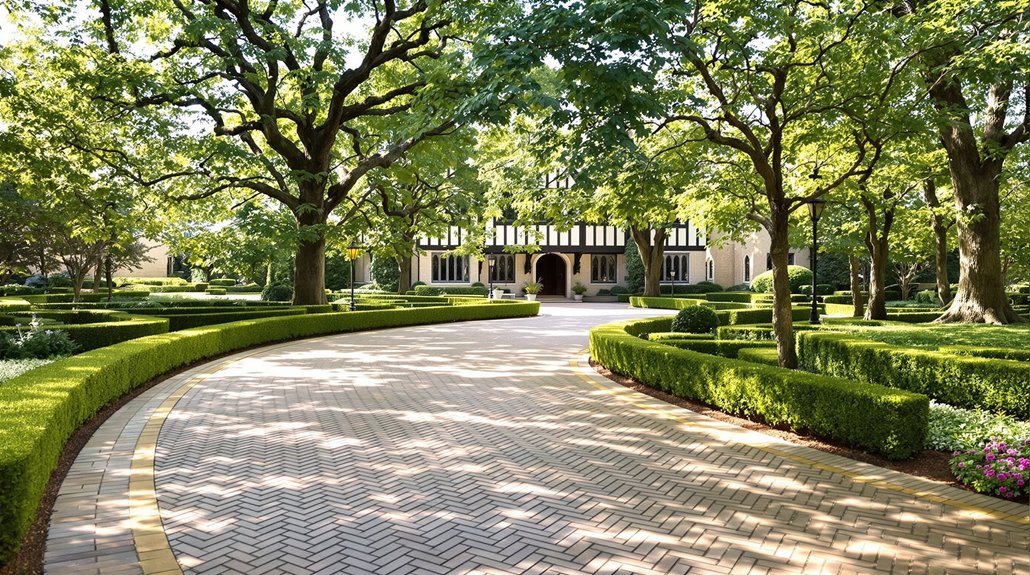
Contemporary manufacturers have developed sophisticated materials that capture the visual essence of traditional brick and clay while offering enhanced performance characteristics. These driveway innovations successfully bridge the gap between historical authenticity and modern practicality for Hertfordshire properties.
- Porcelain pavers mimic aged brick textures while providing superior frost resistance and stain protection
- Recycled clay composites blend reclaimed materials with binding agents, creating eco friendly materials that reduce environmental impact
- Concrete pavers with brick aggregate incorporate genuine crushed brick for authentic coloration and texture
- Permeable alternatives feature traditional aesthetics while managing surface water runoff effectively
These materials allow homeowners to maintain period-appropriate appearances without compromising on durability, maintenance requirements, or environmental considerations, ensuring driveways complement historic properties while meeting contemporary performance standards.
Maintenance Strategies for Long-lasting Heritage Driveways
Heritage driveways require specialized care protocols that differ significantly from standard maintenance approaches, as traditional materials like brick, clay, and natural stone demand techniques that preserve their authentic character while extending their functional lifespan.
| Material Type | Maintenance Frequency | Key Technique | Common Issues |
|---|---|---|---|
| Clay Bricks | Annual inspection | Gentle cleaning with soft brushes | Frost damage, efflorescence |
| Natural Stone | Bi-annual assessment | pH-neutral cleaning solutions | Weathering, moss growth |
| Gravel | Quarterly raking | Top-up with matching aggregate | Displacement, weed growth |
| Cobblestones | Semi-annual review | Careful re-pointing of joints | Settling, loose stones |
Regular surface repairs prevent minor deterioration from becoming costly replacements. Driveway sealing should utilize breathable products that allow moisture movement while protecting against water penetration. Professional heritage specialists understand which modern treatments complement historical materials without compromising authenticity or structural integrity.