
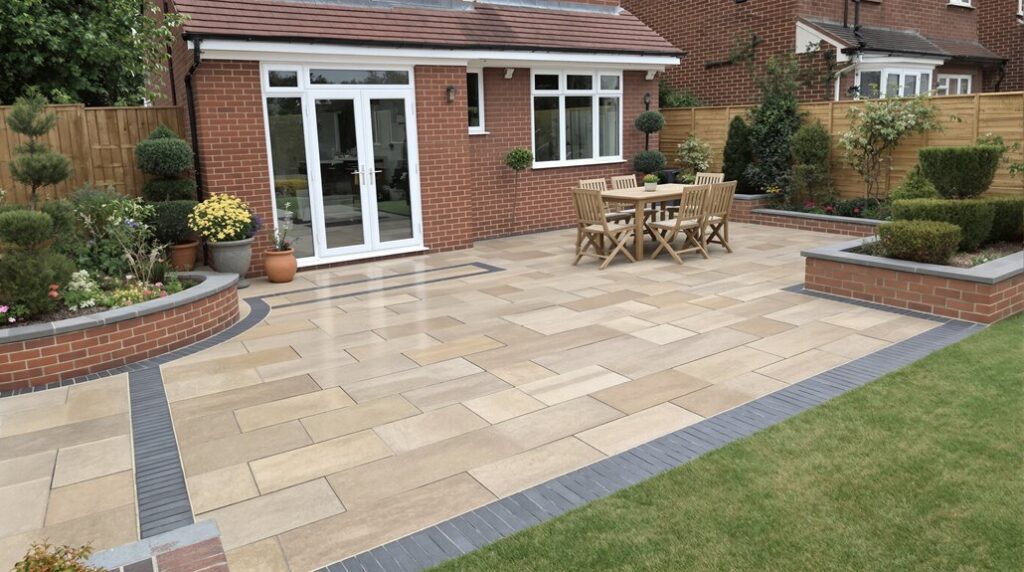
Property owners considering a new driveway in Hertfordshire often underestimate the complexity of installation timelines. While marketing materials suggest quick completion, reality presents a different picture. Weather conditions can halt progress for days. Site preparation may reveal unexpected challenges that extend schedules considerably. Material choices create vastly different timeframes, from same-day gravel installations to concrete projects requiring weeks. Understanding these variables becomes essential when contractors provide initial estimates that rarely account for real-world complications.
Factors That Impact Driveway Installation Timeline
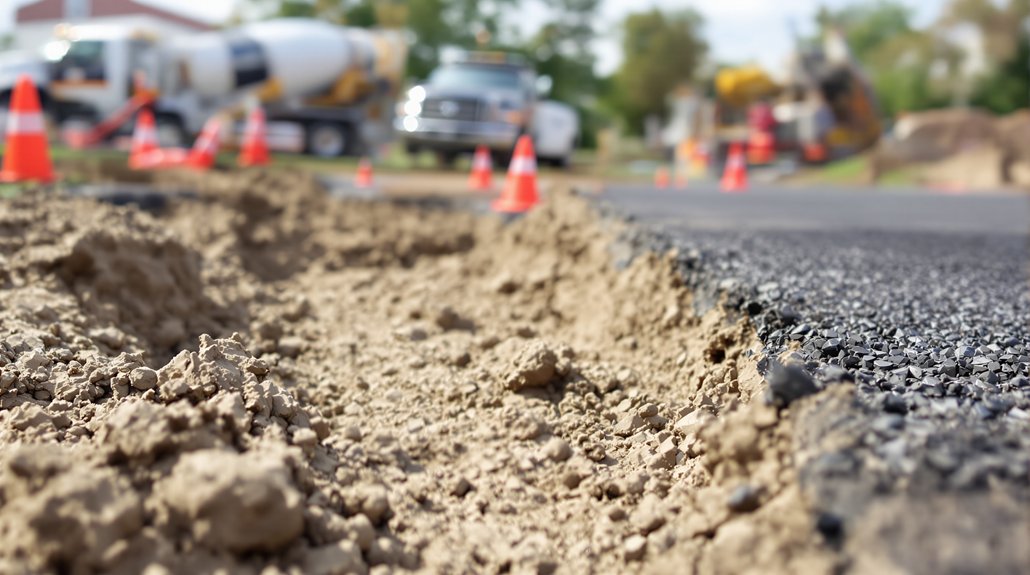
While many homeowners expect driveway installation to follow a standard timeline, several critical factors can greatly extend or accelerate the process. Weather conditions play the most significant role, as rain, extreme temperatures, or frost can halt work completely. Excavation complexity depends on existing ground conditions, drainage requirements, and the need to remove old materials. Site access difficulties, such as narrow pathways or limited equipment entry points, can slow progress considerably.
Material type affects duration substantially—concrete requires curing time while asphalt allows faster completion. The average installation timeline for most driveway projects ranges from 3-7 days depending on these various conditions and material choices. Permit acquisition and inspection scheduling add administrative delays. Labor availability fluctuates seasonally, with peak demand during spring and summer creating scheduling bottlenecks. Unexpected utility line discoveries or soil stability issues can extend timelines. Project scope, including decorative elements or drainage systems, directly correlates with installation duration.
Site Preparation and Excavation Duration
Site preparation and excavation typically consume 30-50% of the total driveway installation timeline, making this phase the most time-intensive component of the project. The duration varies greatly based on soil conditions, existing surface removal requirements, and terrain complexity.
Soil assessment plays an essential role in determining excavation timeframes. Clay soils require more extensive preparation than sandy or loamy conditions, potentially adding 1-2 days to the schedule. Rocky terrain or unexpected underground utilities can further extend this phase.
Different excavation techniques affect completion speed. Hand digging takes considerably longer than machinery-assisted removal, though confined spaces may necessitate manual methods. Weather conditions also impact progress, as wet soil becomes difficult to excavate and compact properly, potentially delaying the entire installation process.
Material-Specific Installation Timeframes
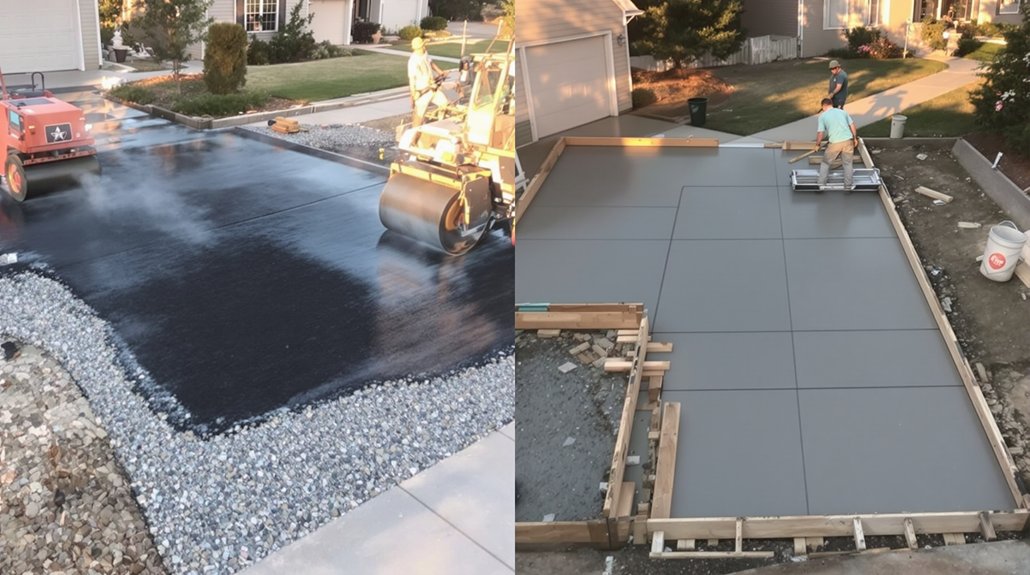
Once excavation concludes, the choice of driveway material becomes the primary determinant of installation duration, with each option presenting distinct timeline requirements. Asphalt driveways typically require 1-2 days for installation, including base preparation and paving. Concrete installations generally span 2-3 days, accounting for pouring, leveling, and initial curing periods. Gravel driveways represent the fastest option, often completed within 4-8 hours depending on size and complexity.
Brick and stone paver types demand considerably more time, requiring 3-5 days for proper installation. These materials necessitate precise installation techniques, including individual placement, sand bedding, and joint filling. Permeable pavers add additional complexity, extending timelines by 1-2 days. Weather conditions directly impact all materials, with concrete and asphalt being particularly sensitive to temperature and moisture variations.
Weather Delays and Seasonal Considerations
Weather patterns greatly influence driveway installation schedules, with certain conditions halting work entirely and extending project timelines by days or weeks. Temperature fluctuations affect concrete curing and asphalt laying, while precipitation creates unsafe working conditions. The rainy season particularly disrupts installation schedules, as moisture prevents proper material adhesion and creates hazardous job sites.
| Season | Weather Challenges | Installation Impact |
|---|---|---|
| Spring | Heavy rainfall, mud | 2-5 day delays |
| Summer | Extreme heat, storms | Equipment limitations |
| Fall | Temperature drops, early frost | Curing complications |
| Winter | Freezing, snow, ice | Work suspension |
Contractors typically plan projects during favorable weather windows, scheduling concrete pours during stable temperature periods and avoiding major installations during predicted storms. Smart scheduling reduces weather-related delays considerably.
Curing and Drying Times by Material Type
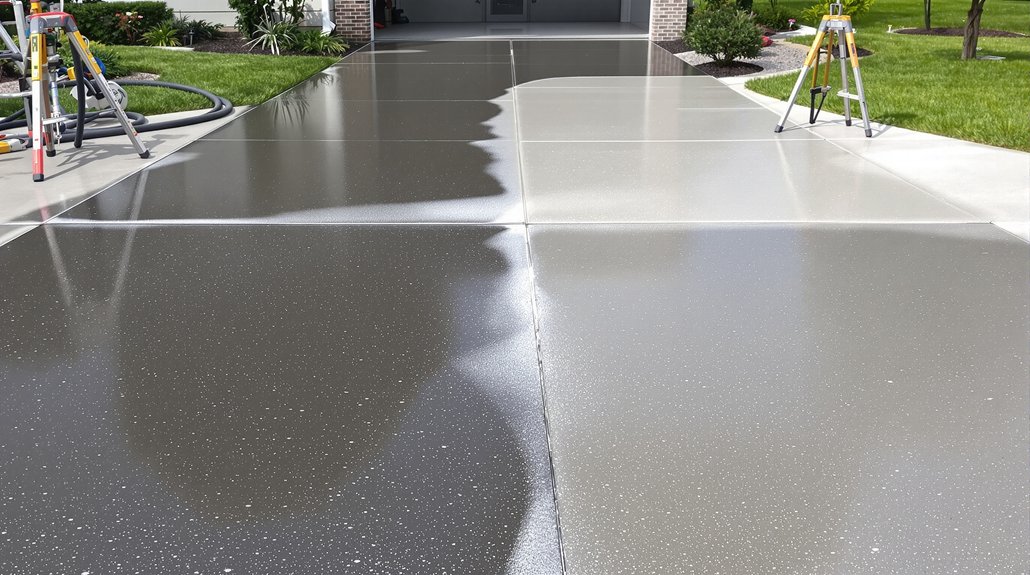
Different driveway materials require vastly different curing and drying periods that directly impact project completion timelines. Concrete curing represents the longest commitment, requiring 24-48 hours before foot traffic and 7-28 days for full strength development before vehicle use. Temperature and humidity greatly affect concrete curing rates, with cooler conditions extending timelines.
Asphalt drying occurs much faster, typically allowing light foot traffic within 24 hours and vehicle access after 2-3 days. However, asphalt reaches ideal hardness after several weeks of gradual curing.
Gravel driveways offer immediate usability once compacted, while paver installations allow traffic immediately after completion. Proper material selection based on required timeline expectations prevents costly delays and guarantees ideal long-term performance across different installation scenarios.
Planning Your Project Schedule and Avoiding Common Setbacks
Successful driveway installations typically hinge on thorough advance planning that accounts for material delivery schedules, contractor availability, and seasonal weather patterns. Effective project management begins with establishing realistic timeline expectations that incorporate buffer days for unexpected delays. Common setbacks include material shortages, equipment breakdowns, and adverse weather conditions that can extend installation periods by several days or weeks.
Property owners should coordinate utility markings at least 72 hours before excavation begins and secure necessary permits well in advance. Scheduling installations during ideal weather seasons prevents temperature-related complications that affect curing processes. Additionally, confirming contractor schedules early ensures availability during preferred timeframes. Creating contingency plans for potential delays helps maintain project momentum and prevents costly interruptions that could compromise the final installation quality.