
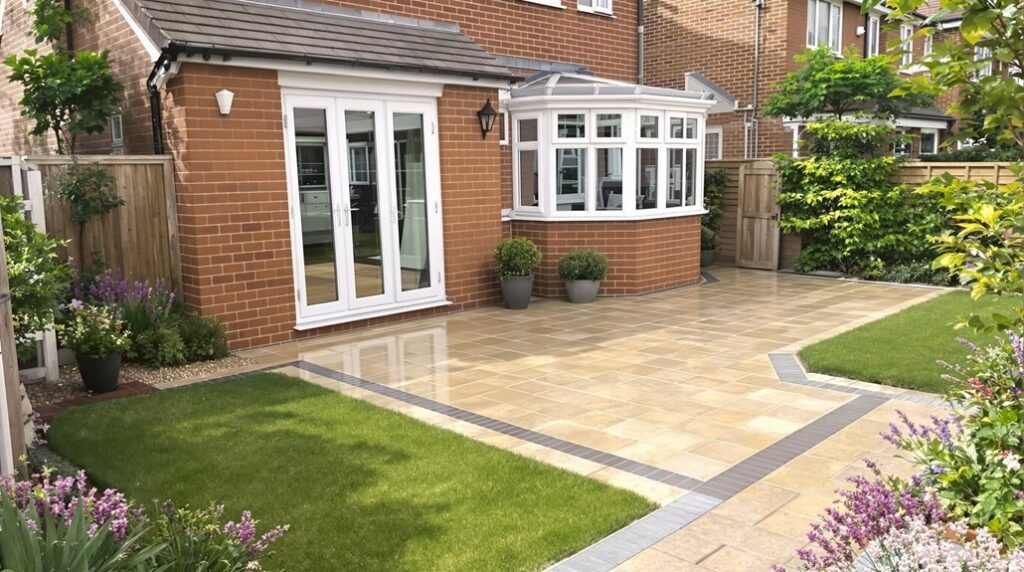
Installing a paver driveway starts with choosing the right material — concrete, brick, or natural stone — based on your climate, traffic load, and budget. We’ll need to excavate 8–12 inches, establish proper drainage slopes, and compact a gravel base before laying pavers. Costs typically range from $10 to $30 per square foot, with most two-car driveways running $8,000 to $20,000. Keep reading, and we’ll walk you through everything you need to know.
Which Paver Material Is Right for Your Driveway?

When it comes to paver driveways, the material you choose will define the look, durability, and cost of your project. We recommend evaluating three popular options: concrete, brick, and natural stone.
Concrete pavers offer excellent paver durability and come in various shapes and colors, making them a versatile, budget-friendly choice. Brick pavers deliver a classic, timeless appearance, though they’re typically more expensive. Natural stone, like bluestone or granite, provides unmatched aesthetic considerations, blending seamlessly with upscale landscaping designs.
Each material handles weather, vehicle weight, and long-term wear differently. We suggest weighing your climate, traffic load, and budget before committing. Choosing the right material upfront prevents costly replacements and guarantees your driveway performs well for decades.
How to Prepare Your Site Before Laying Pavers

Proper site preparation determines whether your paver driveway lasts decades or fails prematurely. We recommend addressing three critical steps before placing a single paver:
Proper site preparation determines whether your paver driveway lasts decades or fails prematurely — address these three critical steps first.
- Excavate 8–12 inches below the finished surface to remove unstable soil and create room for your base layers.
- Prioritize site grading to establish a 1–2% slope, directing water away from your home’s foundation.
- Implement drainage management solutions, including French drains or catch basins, to prevent water pooling beneath your pavers.
After completing these steps, compact the subgrade thoroughly using a plate compactor. We can’t stress enough how skipping compaction causes settling and cracking later. A solid, well-graded, properly drained foundation transforms your paver installation from a short-term fix into a long-lasting driveway.
How Much Does a Paver Driveway Cost?

Understanding paver driveway costs upfront helps you budget realistically and avoid surprises. On average, you’ll spend between $10 and $30 per square foot, though costs vary based on paver quality, labor, and regional pricing. Premium materials like natural stone push costs higher, while concrete pavers offer a more affordable option without sacrificing durability.
Installation trends also influence pricing. Intricate patterns, custom borders, and eco-friendly permeable pavers add to your total investment. A standard two-car driveway typically runs between $8,000 and $20,000 installed.
We recommend getting at least three quotes from licensed contractors. Always factor in base preparation, drainage, and sealing costs, since these aren’t always included in initial estimates. Investing in quality installation now prevents costly repairs later.
How to Install a Paver Driveway Step by Step

Once you’ve settled on a budget, knowing how to install a paver driveway correctly guarantees you get the most out of that investment. Proper installation involves several critical phases:
- Excavation and grading – Remove existing material and establish proper slopes for effective drainage solutions
- Base preparation – Compact gravel layers to create a stable, load-bearing foundation
- Paver laying – Follow your chosen design patterns carefully, maintaining consistent joint spacing throughout
After laying pavers, we recommend sweeping polymeric sand into the joints and compacting the surface to lock everything together. Edge restraints keep your design patterns from shifting over time. Regularly inspect your drainage solutions to prevent water pooling, which can undermine the base and cause premature settling across the entire driveway surface.
How to Clean, Seal, and Maintain Your Paver Driveway

Routine care keeps your paver driveway looking sharp and performing well for decades. We recommend using proven paver cleaning techniques like pressure washing and mild detergent scrubbing to remove stains, moss, and debris. After cleaning, apply sealing methods that protect against moisture, oil, and UV damage. Re-seal every two to three years for best results.
| Task | Frequency | Method |
|---|---|---|
| Cleaning | Annually | Pressure wash or scrub |
| Sealing | Every 2–3 years | Brush or spray sealant |
| Weed removal | As needed | Pull manually or use herbicide |
Inspect your pavers each season for shifting, cracking, or joint sand erosion. Reset any sunken pavers promptly and refill polymeric sand to prevent further movement.