

Concrete overlay coating is a thin layer of cementitious or polymer-based material applied directly over existing concrete to restore, protect, and beautify it without full replacement. We can customize it with colors, textures, and patterns for both residential and commercial surfaces. It extends the life of worn, cracked, or stained concrete considerably. Stick around, because there’s a lot more to know before choosing the right overlay for your project.
What Is Concrete Overlay Coating?
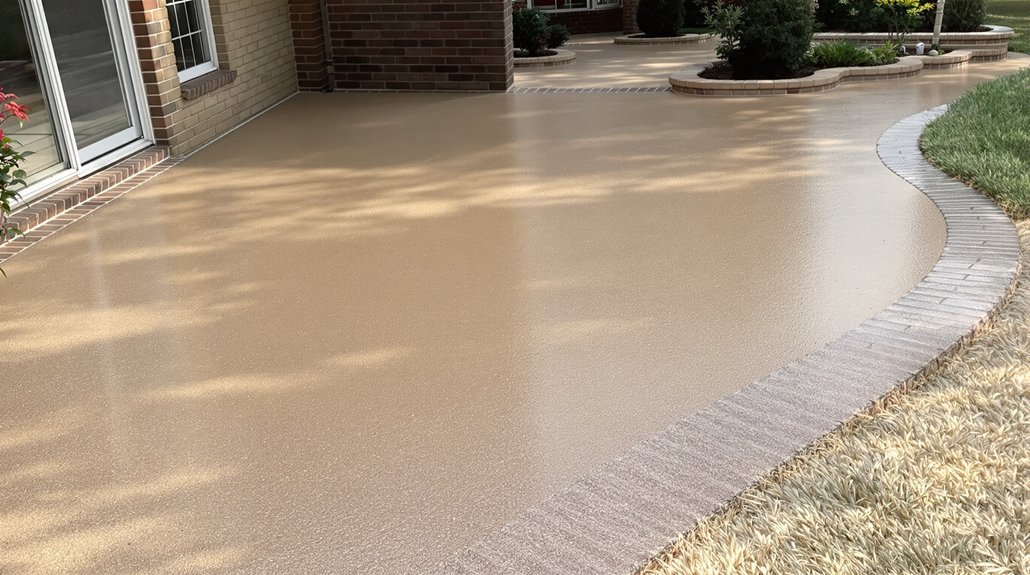
Concrete overlay coating is a thin layer of cementitious or polymer-based material applied directly over an existing concrete surface to restore, protect, or enhance its appearance. We use it to refresh worn, cracked, or stained concrete without full replacement. The result depends heavily on two critical factors: surface preparation and application techniques. Without proper surface preparation, the overlay won’t bond correctly, leading to peeling or failure. We must clean, profile, and repair the existing surface before applying anything. Application techniques vary based on the overlay type and desired finish — troweling, spraying, or stamping are all common approaches. When we execute both factors correctly, concrete overlay coating delivers a durable, attractive surface that extends the life of the existing concrete considerably.
How Concrete Overlay Coating Works

Understanding what concrete overlay coating is gives us a solid foundation, but knowing how it actually works helps us make smarter decisions about application and long-term performance. The process begins with surface preparation — cleaning, repairing cracks, and ensuring proper adhesion. We then apply the overlay mixture, which bonds chemically and mechanically to the existing concrete. Applications examples include driveways, warehouse floors, pool decks, and retail spaces, each requiring specific thickness and finish techniques. Once cured, the coating creates a durable, seamless surface that resists wear, staining, and moisture. Among its benefits drawbacks, we gain cost-effective restoration and design flexibility, but we must also account for careful surface prep requirements and potential delamination if installation steps aren’t followed precisely.
Which Concrete Surfaces Can and Can’t Be Overlaid
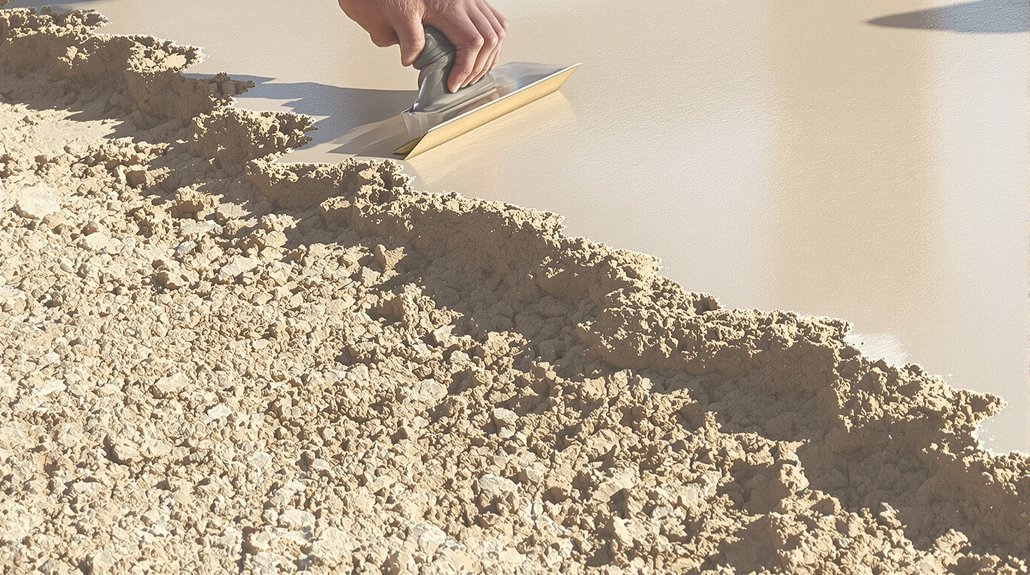
Not every concrete surface qualifies as a good candidate for overlay coating, so we need to evaluate a few key conditions before committing to the process. Overlay suitability depends on the structural integrity of the existing slab. If the concrete is stable, free of major cracks, and properly bonded to its base, it’s a strong candidate.
Surfaces that don’t qualify include those with deep structural cracks, active moisture intrusion, or widespread delamination. Applying an overlay to compromised concrete only traps existing problems underneath.
Surface preparation also plays a decisive role in determining suitability. Even a sound slab won’t accept an overlay properly if it retains grease, sealers, or contaminants. We must assess both structural condition and surface cleanliness before moving forward with any overlay project.
The Main Types of Concrete Overlay Coatings

Once we’ve confirmed a surface qualifies for overlay work, we can choose from several distinct coating types, each suited to different performance needs and aesthetic goals. Stamped overlays mimic stone, brick, or wood and deliver rich decorative finishes at a fraction of replacement costs.
| Overlay Type | Best Application | Thickness Range |
|---|---|---|
| Stamped Overlay | Patios, pool decks | 3–6 mm |
| Microtoppings | Interior floors | 1–3 mm |
| Self-Leveling Overlay | Uneven slabs | 6–12 mm |
| Spray Texture | Driveways, walkways | 2–5 mm |
| Epoxy Overlay | Garages, warehouses | 2–6 mm |
Each type carries unique installation requirements, so matching the coating to the substrate condition and intended use prevents premature failure and costly callbacks.
How Is Concrete Overlay Actually Applied?

Applying concrete overlay demands careful preparation before a single bucket of material gets mixed. Surface preparation is the foundation of every successful project — we grind, shot-blast, or acid-etch the existing concrete to open its pores and remove contaminants. Any cracks, spalls, or voids need patching first. Skipping this step guarantees adhesion failure.
Once the surface is ready, we move into application techniques suited to the chosen overlay type. Squeegees and gauge rakes spread self-leveling materials efficiently across flat floors. Trowels work better for stampable or skim-coat overlays, letting us build texture and thickness with precision. Spray systems handle microtopping and thin coatings quickly over large areas.
We always apply a bonding primer beforehand and work in manageable sections to prevent premature drying and visible seams.
How Long Does Concrete Overlay Last?

Getting the application right sets the stage, but what most people want to know next is how long that investment actually holds up. With proper installation, concrete overlay typically lasts 10 to 25 years. However, several durability factors influence that range, including surface preparation quality, traffic load, climate exposure, and the type of overlay product used.
We recommend following consistent maintenance recommendations to maximize lifespan. Seal the surface every one to three years, clean spills promptly, and avoid harsh deicers during winter months. Interior overlays generally outlast exterior ones simply because they’re shielded from UV exposure and freeze-thaw cycles. If you stay on top of upkeep, you’ll get the most out of your overlay and delay costly repairs or replacements considerably.
Concrete Overlay vs. Full Concrete Replacement

When weighing concrete overlay against full replacement, cost is usually the first factor that settles the debate. Overlays typically cost 50–75% less than tearing out and pouring new concrete. But the benefits comparison goes beyond price.
Full replacement makes sense when the existing slab has deep structural cracks, significant settling, or compromised sub-base integrity. In those cases, no overlay will fix what’s underneath.
However, when the slab is structurally sound, overlays win on nearly every front. The durability factors are comparable—properly applied overlays resist wear, UV exposure, and heavy traffic just as effectively as new concrete. You also avoid the mess, time, and labor costs of demolition.
We recommend evaluating structural condition first. That single evaluation determines which option actually makes sense for your project.
What Does Concrete Overlay Coating Cost?

Once you’ve confirmed your slab is structurally sound and an overlay is the right call, cost becomes the next question. Concrete overlay coating typically runs between $3 and $7 per square foot, though several installation factors push that number higher or lower. Surface preparation, project size, geographic location, and decorative complexity all affect your final price.
Overlay material costs vary based on the type you choose. Basic resurfacing products sit at the lower end, while stamped, stained, or polished overlays cost considerably more due to labor and finishing work involved.
We always recommend getting multiple quotes from licensed contractors. Labor often represents the largest portion of total cost, so comparing bids guarantees you’re getting fair pricing without sacrificing quality workmanship.
DIY or Hire a Pro for Concrete Overlay?

Deciding between DIY and hiring a professional depends on the scope of your project and your comfort with hands-on work. Both options have pros and cons worth considering before committing.
DIY concrete overlay suits homeowners with moderate skill levels who enjoy hands-on projects. It’s more affordable, but mistakes can be costly to fix. Mixing ratios, application timing, and surface prep all require precision. Small patios or interior floors are manageable DIY projects.
For larger driveways, commercial spaces, or decorative finishes requiring advanced skill levels, hiring a pro makes more sense. Professionals bring experience, proper equipment, and warranties. The pros of hiring out include a faster timeline and better long-term results. Weigh the cons of higher upfront costs against the benefits of a quality, lasting finish.