

A resin bound overlay is a thin layer of resin-coated aggregates applied directly over your existing concrete or asphalt surface. It refreshes worn driveways and patios with a smooth, permeable finish without the need for full excavation. It’s durable, UV-stable, low maintenance, and comes in a wide range of colours. If you want to know whether it’s the right choice for your project, there’s plenty more to explore below.
What Is a Resin Bound Overlay?

A resin bound overlay is a thin layer of resin-coated aggregates applied directly over an existing surface, such as concrete or asphalt, without the need for full excavation or replacement. It’s a practical solution that refreshes worn or dated surfaces while delivering a smooth, permeable finish. When planning your project, we recommend factoring in key design considerations like surface condition, aggregate depth, and drainage requirements. You’ll also have a wide range of color options to choose from, allowing you to match or complement your property’s existing aesthetic. Whether you’re upgrading a driveway, pathway, or patio, a resin bound overlay offers a cost-effective and visually appealing result without the disruption of a full surface removal.
How Is a Resin Bound Overlay Installed?
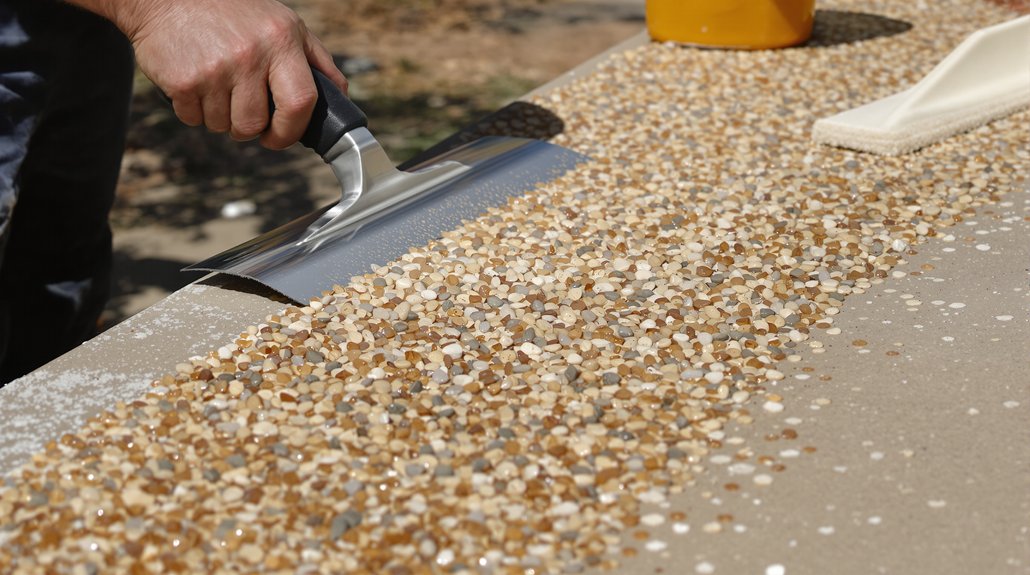
Before any resin is mixed, we assess the existing surface for cracks, instability, or contamination that could compromise adhesion. Surface preparation is critical — we repair any damage, clean the substrate thoroughly, and guarantee it’s completely dry. Skipping this step leads to premature failure, regardless of how well the overlay is applied.
Once the surface is ready, we move into our installation techniques. We machine-mix resin and aggregate in precise ratios, then spread the mixture evenly using a float. Working in small sections keeps the blend consistent and prevents premature curing. We finish by compacting and smoothing the surface to achieve an even, permeable finish.
The entire process typically takes one day, with the surface ready for use within 24 hours.
The Benefits of Choosing Resin Bound

Choosing resin bound comes with benefits that go well beyond aesthetics. One of the strongest durability factors is its resistance to cracking, which makes it far more reliable than traditional tarmac or block paving over time. It handles heavy foot traffic and vehicle loads without deteriorating quickly, and because it’s UV-stable, colors don’t fade in sunlight. The porous nature of resin bound also means rainwater drains naturally through the surface, reducing standing water and meeting SuDS compliance requirements.
On the aesthetic appeal side, we’re talking about a smooth, polished finish available in dozens of aggregate colors and blends. Whether you’re updating a driveway, pathway, or commercial entrance, resin bound delivers a high-end look that’s also low maintenance, weed-resistant, and built to last well over a decade.
Resin Bound Overlay vs Other Surfacing Options
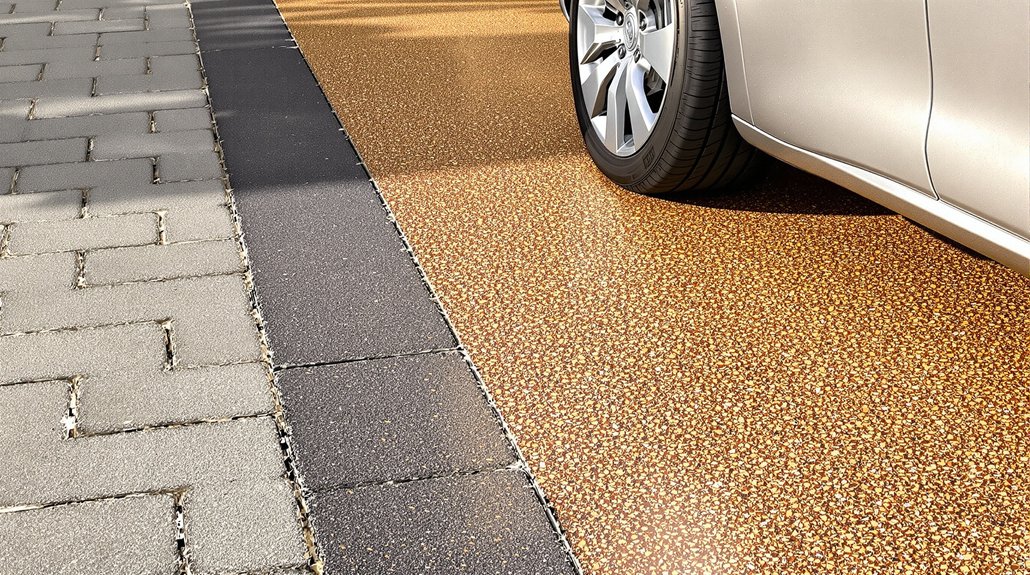
Those benefits become even clearer when you stack resin bound overlay against the alternatives. For durability comparison and aesthetic appeal, resin bound consistently outperforms standard options.
| Feature | Resin Bound Overlay | Asphalt/Concrete |
|---|---|---|
| Aesthetic Appeal | High – customisable colours | Low – limited options |
| Durability | 15–25 years | 10–15 years |
| Permeability | Fully permeable | Non-permeable |
| Maintenance | Minimal | Regular patching needed |
| Installation Over Existing Surface | Yes | No |
We think this table makes it obvious why more homeowners and contractors are switching. Resin bound overlays don’t require full removal of existing surfaces, they drain naturally, and they look far better long-term. You’re not just choosing a surface — you’re choosing a smarter, longer-lasting investment.
How Much Does a Resin Bound Overlay Cost?
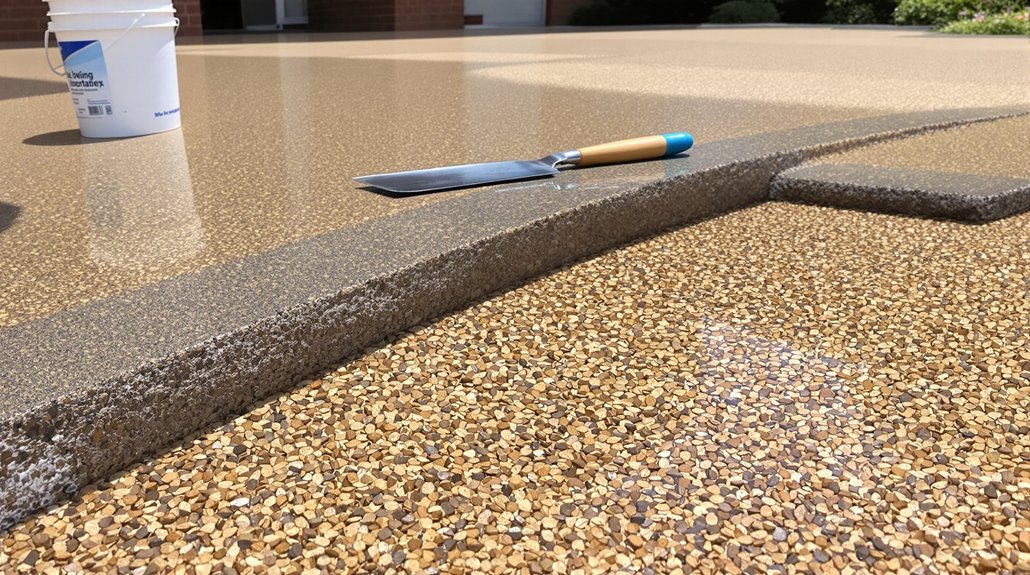
Cost is one of the first things people want to know, and we’ll give you a straight answer. Resin bound overlays typically cost between £40 and £70 per square metre in the UK, though cost variations depend on several installation factors.
These factors include the size of the area, the condition of the existing surface, aggregate choice, and whether drainage work is required. Larger projects often reduce the per-square-metre price, while complex shapes or decorative aggregates push costs higher.
Labour rates also vary by region, so getting at least three quotes from experienced contractors is always wise. While the upfront investment may seem significant, resin bound overlays are durable, low-maintenance surfaces that deliver long-term value, making them a cost-effective choice over time.
Cleaning, Repairs, and Long-Term Maintenance
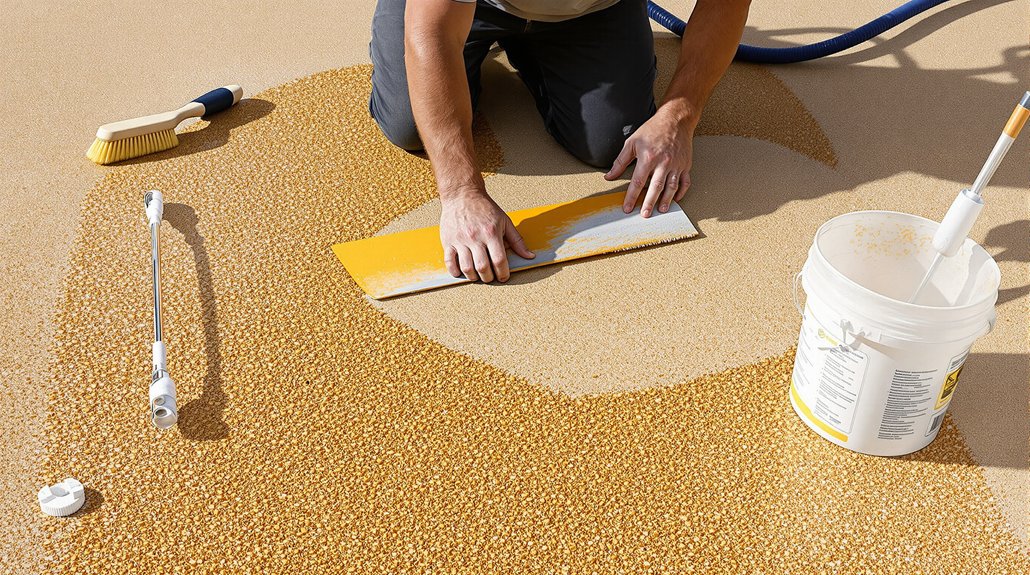
Once installed, a resin bound overlay is straightforward to maintain. For cleaning tips, we recommend rinsing the surface regularly and using a leaf blower to remove debris. Repair techniques are simple—spot repairs bond seamlessly when addressed early, preventing larger damage. Maintenance frequency should include seasonal upkeep, typically a thorough clean each spring and autumn. Longevity expectations are strong, with most surfaces lasting 15–25 years under proper care. For surface protection, avoid harsh chemicals that degrade the resin binder. Weather considerations matter too—UV-stable resins resist fading, but sealing can offer additional aesthetic enhancements over time. We suggest inspecting your overlay annually, checking for loose aggregate or drainage issues. With minimal effort, your surface stays functional and visually appealing for decades.