
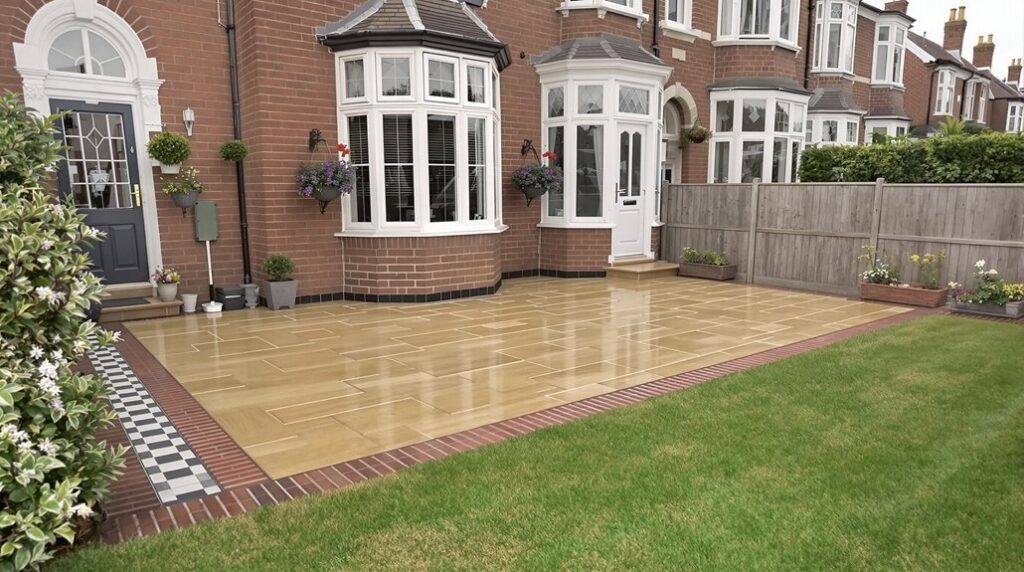
Driveway edging transforms ordinary Hertfordshire properties into distinguished homes that command attention from passing neighbors and potential buyers. The right border choice reflects personal style while addressing practical challenges unique to the county’s clay-heavy soil and unpredictable weather patterns. From traditional brick that honors local heritage to sleek contemporary materials that make bold statements, homeowners face numerous decisions that will impact both immediate curb appeal and long-term property value.
Traditional Brick Edging for Historic Hertfordshire Properties
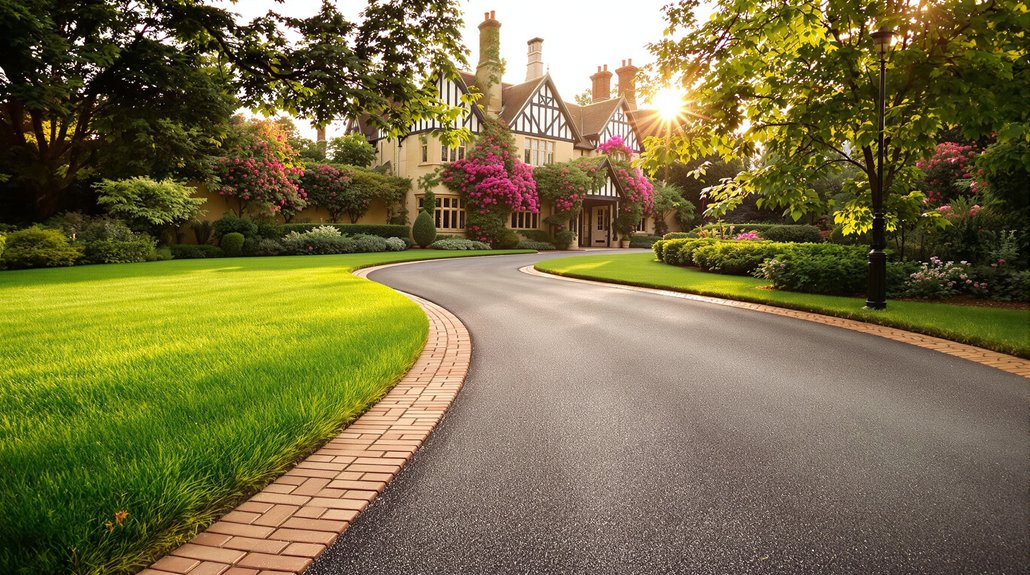
Traditional brick edging remains the quintessential choice for historic Hertfordshire properties, where maintaining architectural authenticity takes precedence over contemporary design trends. Red clay bricks complement period architecture seamlessly, creating visual continuity between driveways and existing facades. Victorian aesthetics demand attention to detail, with traditional soldier course or header bond patterns providing the appropriate historical context.
Heritage preservation requirements often specify authentic materials for listed buildings and conservation areas throughout Hertfordshire. Reclaimed bricks offer weathered patina that matches original construction, while handmade varieties replicate traditional manufacturing techniques. Professional installation guarantees proper foundation depth and mortar selection, preventing frost damage common in clay soils. Traditional brick edging increases property value while satisfying planning restrictions, making it the preferred solution for discerning homeowners committed to preserving Hertfordshire’s architectural legacy. Local specialists combine skilled craftsmanship with knowledge of regional ground conditions to ensure brick edging installations withstand Hertfordshire’s variable weather patterns while maintaining historical integrity.
Modern Steel and Metal Edging Solutions
Contemporary steel and metal edging solutions offer unparalleled durability and sleek aesthetics for modern Hertfordshire driveways seeking architectural sophistication. These systems provide clean lines that complement contemporary home designs while delivering exceptional longevity against weather elements.
| Metal Type | Finish Options | Durability | Cost | Maintenance |
|---|---|---|---|---|
| Corten Steel | Rust patina | 25+ years | High | Minimal |
| Aluminum | Powder-coated | 20+ years | Medium | Low |
| Galvanized Steel | Zinc coating | 15+ years | Low | Moderate |
| Stainless Steel | Brushed/polished | 30+ years | Very High | Minimal |
| Copper | Natural oxidation | 20+ years | High | Low |
Metal finishes range from industrial patinas to polished surfaces, allowing homeowners to achieve specific modern aesthetics. Professional installation guarantees proper drainage integration and structural integrity for long-term performance.
Natural Stone Borders That Complement Local Architecture
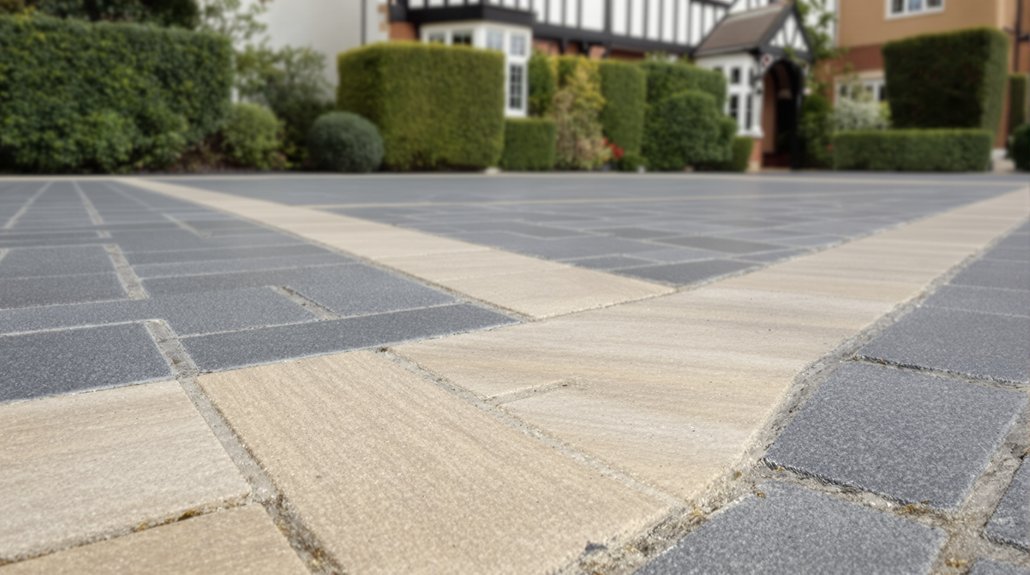
While modern metal solutions offer sleek sophistication, natural stone borders provide timeless elegance that harmonizes beautifully with Hertfordshire’s diverse architectural heritage. Local stone types like Hertfordshire puddingstone, York stone, and reclaimed limestone create authentic connections between driveways and existing structures.
Traditional cottage-style homes benefit from irregular fieldstone borders that mirror original garden walls. Victorian properties pair excellently with dressed limestone or sandstone edging that echoes period details. Contemporary homes can incorporate clean-cut granite or slate for refined contrast.
Different architectural styles demand specific approaches. Tudor revival houses work well with weathered stone that suggests historical authenticity, while Georgian properties suit formal, uniform stone coursing. The key lies in selecting materials that complement rather than compete with the home’s character, creating cohesive outdoor spaces.
Wooden Sleeper Edging for Rustic Character
Railway sleepers offer an entirely different aesthetic approach, bringing warmth and texture that stone cannot match. These robust timber barriers create instant rustic charm while defining driveway boundaries with natural elegance. New hardwood sleepers provide clean lines and uniform appearance, while reclaimed railway sleepers deliver authentic weathered character that tells a story.
The substantial mass of wooden sleepers makes them ideal for sloped driveways, offering excellent soil retention capabilities. Their earthy tones facilitate seamless landscape integration, particularly effective when surrounding gardens feature woodland plantings or cottage-style borders. Installation requires proper drainage considerations and concrete footings for stability.
Wooden sleepers pair beautifully with gravel surfaces and complement period properties, from Victorian terraces to converted farmhouses, creating cohesive outdoor spaces that feel naturally established.
Concrete Kerbing for Clean Contemporary Lines
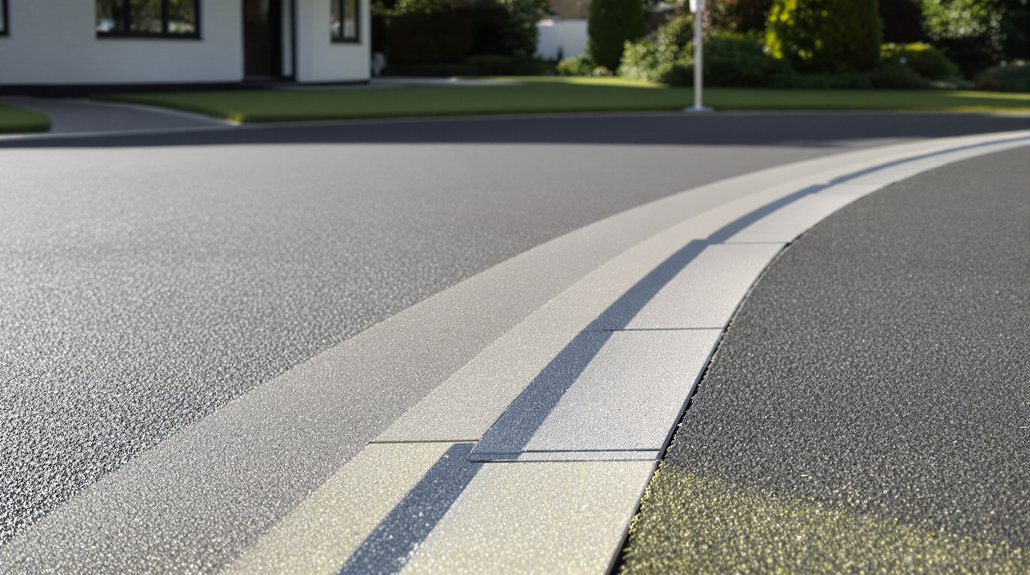
Precision defines the appeal of concrete kerbing, where sharp geometric forms create sophisticated driveway boundaries that complement modern architectural styles. These sleek barriers establish clear demarcation lines while maintaining visual harmony with contemporary homes featuring clean facades and minimalist landscaping.
Concrete designs offer remarkable versatility through customizable finishes, colors, and textures. Smooth surfaces create ultra-modern aesthetics, while exposed aggregate or brushed finishes add subtle visual interest without compromising the streamlined appearance. The material’s moldability enables curved installations for softer shifts or angular configurations for bold geometric statements.
Durability represents a key advantage of concrete kerbing. These durable materials withstand heavy vehicle loads, weather extremes, and seasonal ground movement without deteriorating. Proper installation guarantees decades of low-maintenance performance, making concrete an economically sound investment for homeowners seeking lasting curb appeal enhancement.
Block Paving Edge Restraints and Design Options
Block paving systems require specialized edge restraints to maintain structural integrity and prevent pavement movement over time. These restraints create defined boundaries that contain individual blocks while supporting load distribution across the driveway surface.
Concrete edge restraints offer the most robust solution, typically installed below finished grade to remain invisible while providing maximum stability. Steel edging presents a sleeker alternative, particularly effective for contemporary designs requiring sharp geometric lines. Plastic edge restraints suit budget-conscious projects, though they offer reduced longevity compared to rigid materials.
Design flexibility emerges through varied block patterns and restraint positioning. Straight lines emphasize formal aesthetics, while curved restraints soften harsh angles. Professional installation guarantees proper compaction beneath restraints, preventing future settling that could compromise the entire block paving system’s performance and appearance.
Gravel Retention Systems for Different Driveway Types
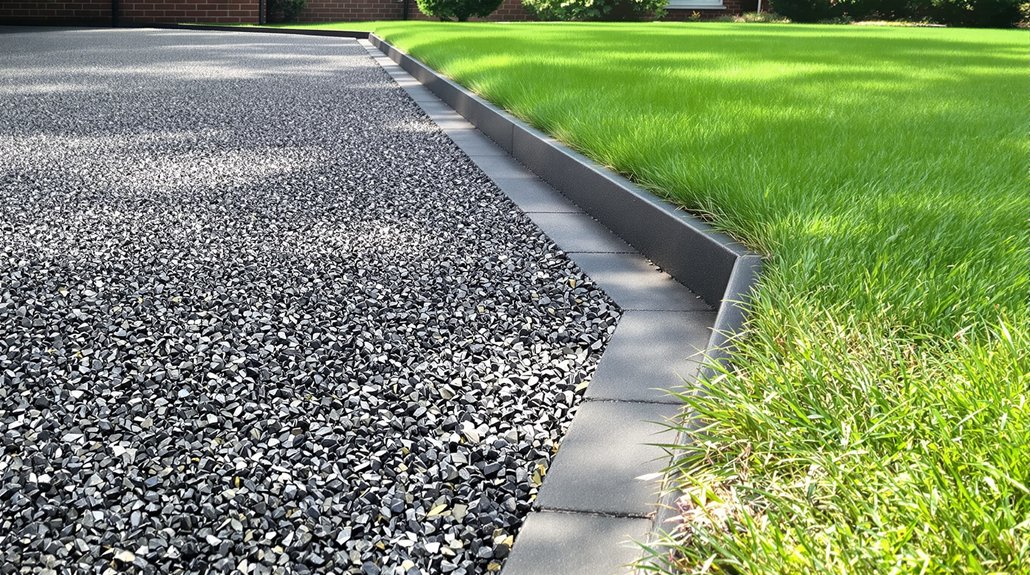
Gravel driveways frequently require specialized retention systems to prevent material migration and maintain defined surface boundaries. Different gravel types demand specific containment approaches based on particle size and surface characteristics. Larger decorative stones need robust barriers, while finer aggregates require more intricate retention methods.
Effective installation techniques vary according to driveway configuration and expected traffic loads. Professional contractors assess soil conditions and drainage requirements before implementing appropriate systems.
- Steel edging strips creating clean geometric lines with powder-coated finishes that complement modern architectural styles
- Plastic grid systems forming honeycomb patterns that lock gravel in place while allowing natural drainage
- Concrete kerbing establishing permanent raised borders with smooth curved shifts at driveway entrances
These retention solutions guarantee long-term stability while preserving the aesthetic appeal of gravel surfaces throughout various weather conditions.
Working With Hertfordshire’s Clay Soil Conditions
When implementing driveway edging in Hertfordshire, contractors must account for the region’s mainly clay-based soil composition, which presents unique challenges for installation and long-term stability. Clay soil preparation requires specific techniques including adding sand or gravel amendments to improve workability and prevent excessive expansion during wet periods.
The drainage challenges inherent in clay soil necessitate careful planning of sub-base materials and proper grading to direct water away from edging foundations.
| Edging Type | Clay Soil Suitability | Installation Requirements |
|---|---|---|
| Concrete Blocks | High | Deep foundations, drainage layer |
| Steel Edging | Medium | Flexible mounting, good drainage |
| Plastic Strips | Low | Minimal excavation, temporary use |
| Natural Stone | High | Substantial base preparation required |
Professional contractors typically excavate deeper foundations and incorporate French drains to guarantee lasting performance in Hertfordshire’s challenging soil conditions.
Incorporating Drainage Solutions Into Your Edging Design
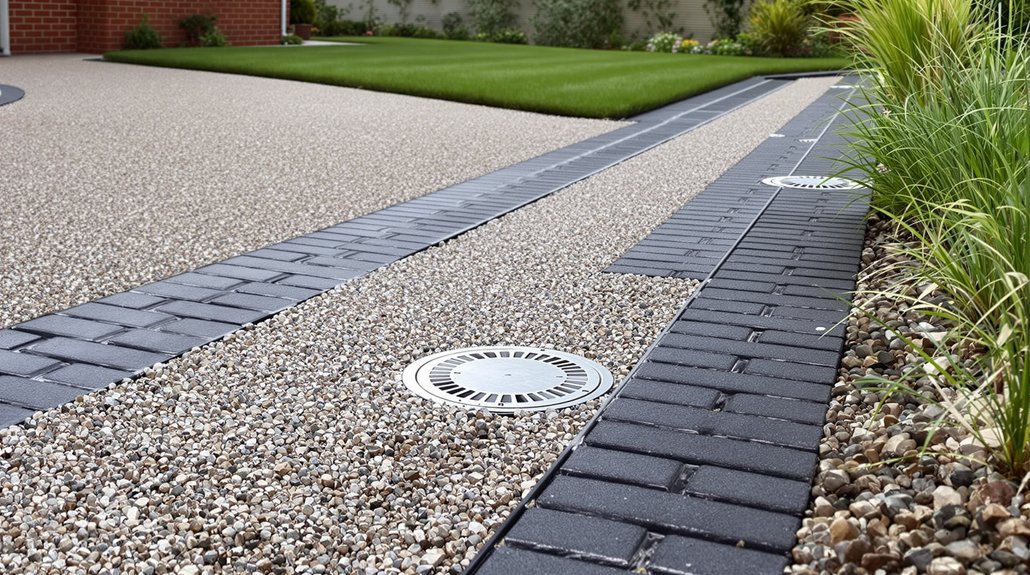
How effectively can homeowners prevent water damage and foundation issues while maintaining attractive driveway borders? Smart drainage integration transforms functional edging materials into protective systems that manage water flow efficiently. Proper drainage channels prevent pooling and redirect runoff away from foundations and landscaping.
Strategic drainage solutions include:
- French drain systems running parallel to decorative stone edging, creating invisible water management beneath attractive borders
- Permeable brick or block edging allowing water infiltration while maintaining clean lines and traditional aesthetics
- Channel drains integrated with metal edging providing sleek, modern appearance while capturing surface water effectively
These approaches combine form with function, ensuring edging materials serve dual purposes. Homeowners achieve professional-looking boundaries while protecting property investments from water-related damage through thoughtful design integration.
Cost-Effective DIY Vs Professional Installation Considerations
Should homeowners tackle driveway edging projects themselves or hire professionals to secure ideal results? The decision depends on several critical factors including skill level, available time, and budget constraints.
DIY Cost considerations favor simple materials like plastic or basic concrete edging, typically ranging from £2-8 per linear metre. Homeowners can save 60-70% on labor expenses while gaining project satisfaction. However, DIY installations risk uneven lines, poor drainage integration, and material waste.
Professional Expertise assures precise installation, proper foundation preparation, and seamless drainage incorporation. Professionals handle complex materials like natural stone or intricate brick patterns efficiently. Installation costs range from £15-40 per linear metre but include warranties and guaranteed results. Complex projects involving electrical lighting, extensive excavation, or premium materials typically justify professional investment for long-term durability and aesthetic appeal.