
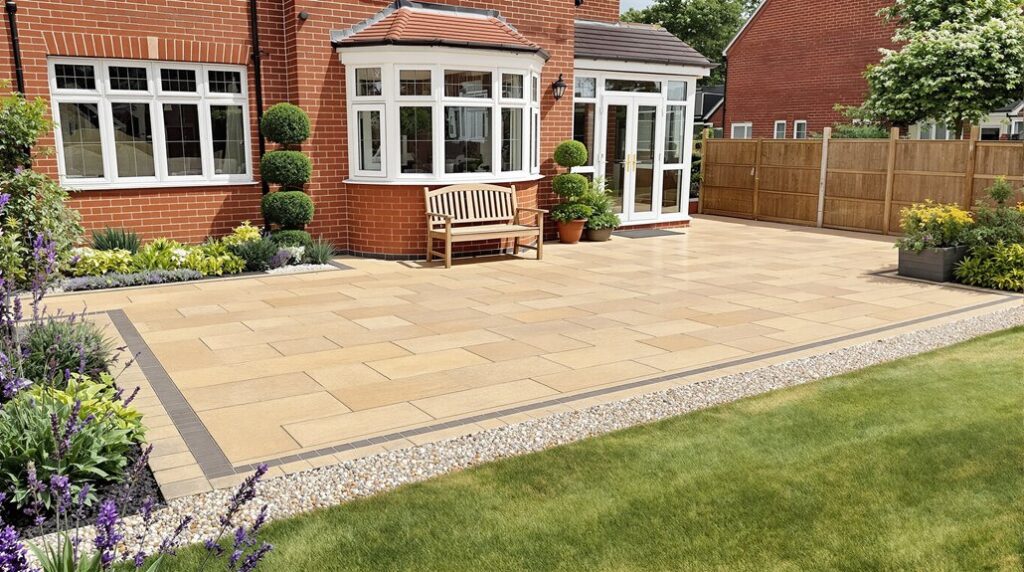
Hertfordshire homeowners face increasingly complex regulations when installing or modifying driveways in 2025. Understanding when permitted development rights apply versus when full planning permission becomes necessary can mean the difference between a straightforward project and costly delays. Local council policies vary considerably across the county’s ten districts, while new drainage requirements and surface material restrictions create additional compliance challenges that catch many property owners off guard.
Understanding Permitted Development Rights for Driveways in Hertfordshire
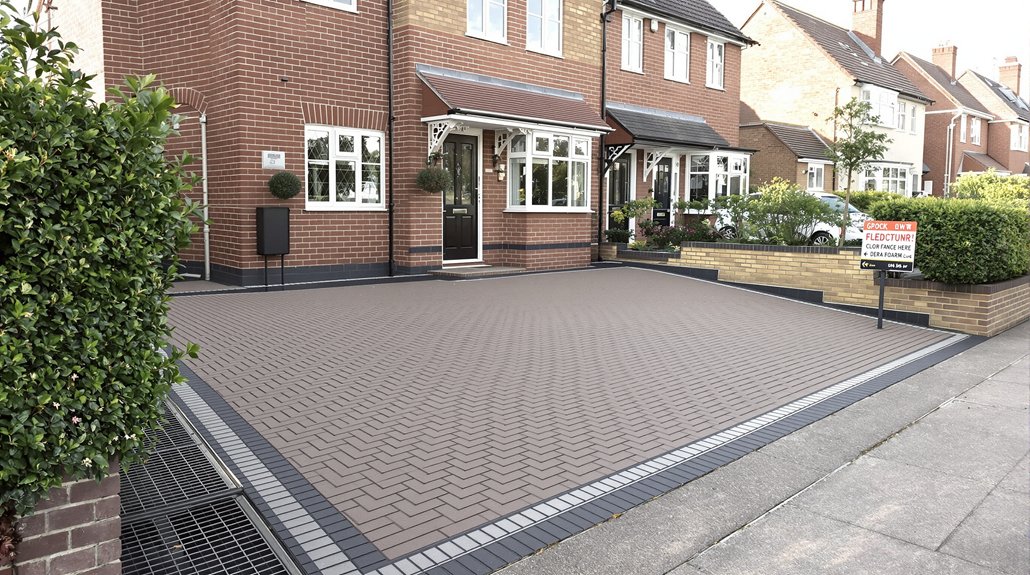
When homeowners in Hertfordshire consider installing or modifying a driveway, they must first determine whether their project falls under permitted development rights or requires formal planning permission. Permitted development allows specific driveway construction without planning applications, provided conditions are met. These include using permeable materials when the new hardstanding exceeds 5 square meters, maintaining minimum distances from boundaries, and ensuring the driveway design complements existing structures.
The rights cover front garden conversions, driveway extensions, and complete replacements. However, restrictions apply to listed buildings, conservation areas, and Article 4 direction zones. Effective landscape integration becomes essential when designing driveways that comply with permitted development criteria. Homeowners should verify their property’s planning history and local constraints before proceeding, as violations may require retrospective planning applications or costly modifications. Local driveway companies in hertfordshire can provide planning permission assistance and ensure your project complies with all relevant building regulations from the outset.
When Planning Permission Is Required for Your Driveway Project
Although permitted development rights cover many driveway projects, certain circumstances trigger the need for formal planning permission in Hertfordshire. Properties in conservation areas, listed buildings, or those with Article 4 directions face stricter requirements regardless of project scope definition. Planning permission becomes mandatory when driveways exceed permitted area limits, typically when covering more than half the front garden space with impermeable materials.
Driveway design considerations also influence permission requirements. Projects involving significant level changes, new vehicle access points, or alterations to highway boundaries require formal applications. Properties on classified roads face additional restrictions, often necessitating highway authority approval alongside planning consent.
Commercial properties and developments creating multiple parking spaces invariably require planning permission. Understanding these triggers helps property owners navigate Hertfordshire’s planning framework effectively and avoid costly retrospective applications.
Hertfordshire Council Specific Planning Policies and Local Requirements
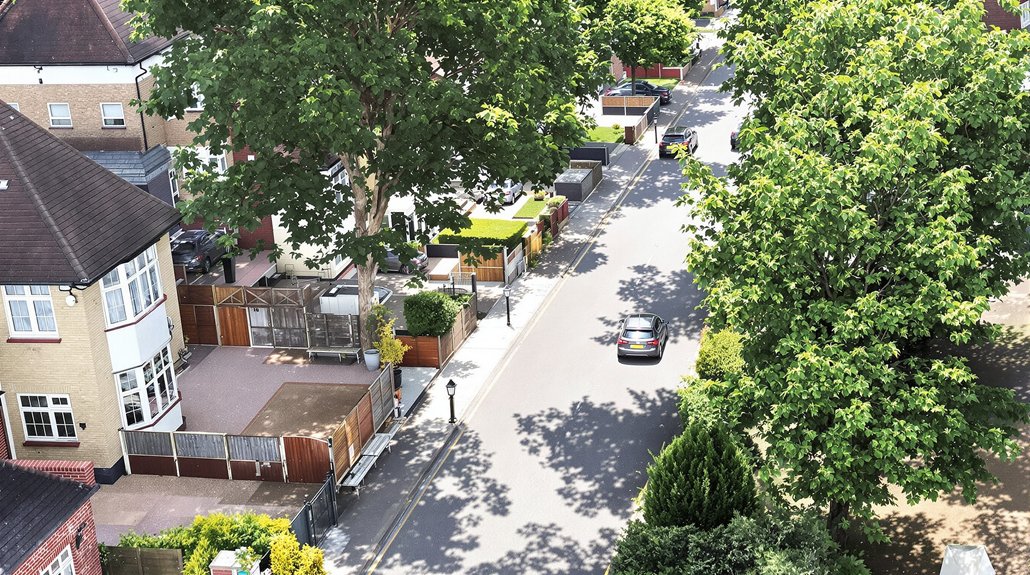
Hertfordshire’s planning framework operates through ten district councils, each implementing county-wide policies alongside their own specific requirements for driveway developments. Property owners must navigate both Hertfordshire guidelines and district-specific regulations when planning driveway modifications.
Each council maintains distinct interpretation of permitted development rights, particularly regarding front garden conversions and surface materials. Local zoning classifications greatly influence approval processes, with conservation areas and green belt locations facing stricter scrutiny.
| Council Area | Key Restriction | Processing Time |
|---|---|---|
| St Albans | Porous surfaces mandatory | 8-12 weeks |
| Dacorum | 50% garden retention rule | 6-10 weeks |
| Three Rivers | Conservation area limits | 10-16 weeks |
District councils prioritize sustainable drainage systems and maintaining neighborhood character. Applicants should consult their specific district council’s planning portal before submitting applications, as requirements vary considerably across Hertfordshire’s administrative boundaries.
Surface Materials and Drainage Regulations You Must Follow
Selecting appropriate surface materials represents one of the most critical decisions in Hertfordshire driveway planning, as non-compliant choices frequently result in planning application rejections. Hertfordshire councils mandate specific surface options that promote sustainable drainage and environmental compliance. Permeable materials such as gravel, porous asphalt, or permeable block paving receive priority approval, as these drainage solutions prevent water runoff into local sewerage systems.
Impermeable surfaces like concrete or standard tarmac typically require thorough drainage systems directing water to lawned areas or purpose-built soakaways. Planning officers scrutinize drainage calculations and require detailed technical specifications demonstrating adequate water management. Property owners must submit material samples and drainage schematics with applications. Non-compliance with surface regulations results in automatic planning refusals, emphasizing the importance of early consultation with drainage engineers and adherence to Hertfordshire’s sustainable drainage standards.
Conservation Areas and Listed Building Considerations
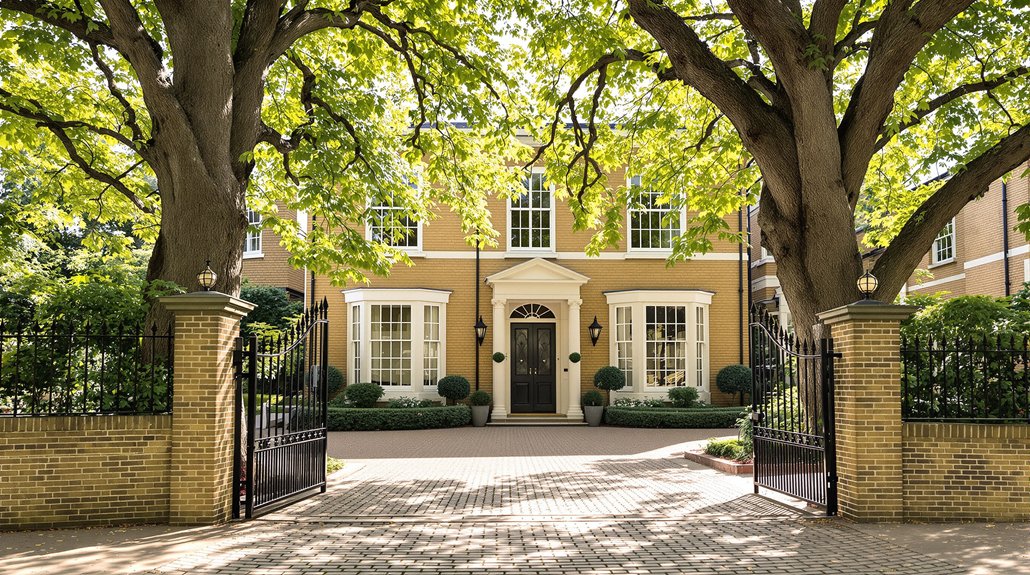
When driveway proposals affect conservation areas or listed buildings in Hertfordshire, property owners face considerably more stringent planning requirements that demand specialized expertise and extended approval timeframes.
Conservation assessments must demonstrate how proposed driveways preserve the historic character and architectural integrity of designated areas. These thorough evaluations examine visual impact, material compatibility, and contextual appropriateness within the surrounding heritage environment.
| Requirement Type | Processing Time |
|---|---|
| Conservation Area Consent | 8-13 weeks |
| Listed Building Consent | 8-16 weeks |
| Heritage Impact Assessment | 2-4 weeks |
| Archaeological Survey | 3-6 weeks |
| Historic England Consultation | 4-8 weeks |
Listed approvals require detailed heritage statements addressing structural alterations and curtilage implications. Professional heritage consultants typically guide applications through complex approval processes, ensuring compliance with statutory protection measures while achieving practical driveway solutions that respect historical significance.
Front Garden Parking Rules and Highway Safety Requirements
Although front garden conversions offer convenient parking solutions, Hertfordshire councils impose strict regulations governing vehicular access to guarantee highway safety and prevent traffic hazards. Applicants must demonstrate adequate visibility splays at driveway entrances, ensuring drivers can safely enter and exit properties without obstructing pedestrian pathways or creating blind spots.
Highway authorities require minimum distances between driveways and road junctions, traffic lights, and pedestrian crossings. The gradient of access routes cannot exceed specified limits to prevent vehicles from scraping road surfaces or creating drainage issues.
Parking regulations mandate sufficient turning space within properties to avoid reversing onto public highways. Front garden aesthetics remain important, with councils often requiring soft landscaping elements to maintain neighborhood character while accommodating vehicle access and storage requirements.
Required Documentation and Supporting Evidence for Applications
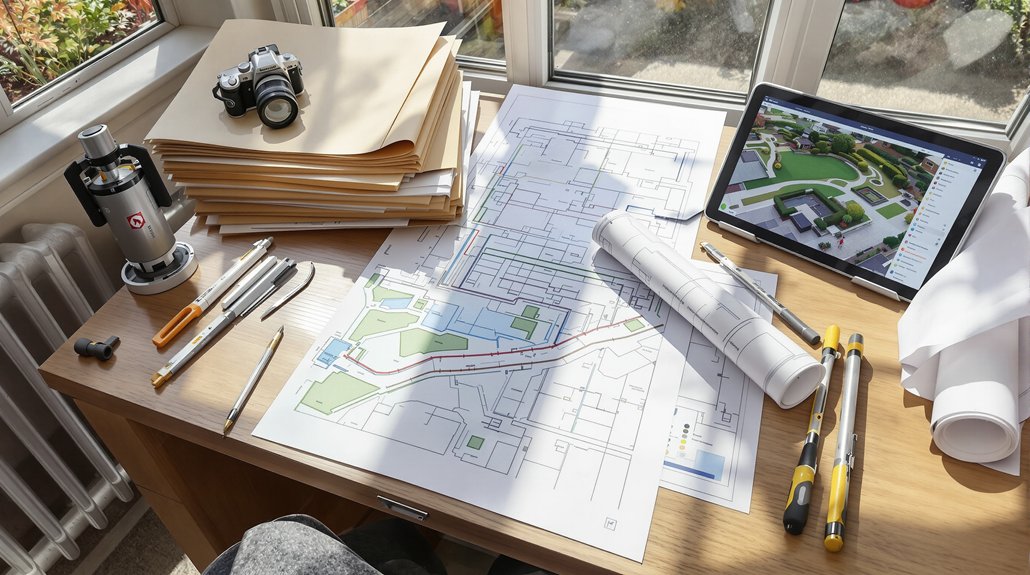
Thorough documentation forms the foundation of successful driveway planning applications in Hertfordshire, with councils requiring specific evidence to assess proposals against safety, environmental, and planning criteria.
Essential required documents include detailed site plans showing existing and proposed layouts, elevation drawings, and location plans at appropriate scales. Applicants must provide photographs of the current frontage and surrounding area to demonstrate context. Supporting evidence encompasses drainage calculations showing surface water management, highways visibility splays confirming adequate sight lines, and materials specifications detailing proposed surfacing.
Additional documentation may include ecological surveys for properties near sensitive habitats, structural engineering reports for steep gradients, and tree surveys where mature vegetation exists. Professional drawings prepared by qualified architects or surveyors considerably strengthen applications, ensuring compliance with Hertfordshire’s technical requirements and increasing approval likelihood.
Step-by-Step Planning Application Process and Timelines
Once applicants have assembled their required documentation, the formal planning application process follows a structured sequence that typically spans eight to twelve weeks from submission to decision in Hertfordshire. The application timeline begins with online submission through the Planning Portal or directly to the local council, accompanied by the required fee. Council officers conduct an initial validation check within five working days, ensuring the submission checklist is complete. Following validation, a 21-day public consultation period commences, during which neighbors and stakeholders can submit comments. Planning officers then assess the proposal against local development policies, potentially requesting additional information or conducting site visits. Finally, the planning committee or delegated officer issues either approval, conditional approval, or refusal with detailed reasoning.
Planning Permission Costs and Council Fees for 2025
When property owners in Hertfordshire proceed with their driveway planning applications, they must budget for statutory fees that increased in April 2024 and remain applicable throughout 2025. The standard planning application costs for householder applications, which cover most residential driveway projects, stand at £206 per application. This fee applies regardless of the specific Hertfordshire council jurisdiction, as planning application costs are set nationally by the government.
Local council fees may include additional charges for pre-application advice services, typically ranging from £50 to £150 depending on the complexity of the proposed driveway development. Some councils offer free initial consultations, while others charge for detailed written responses. Property owners should verify specific local council fees with their respective Hertfordshire authority before submitting applications to guarantee accurate budget planning.
Common Rejection Reasons and How to Ensure Approval Success
While budgeting for application fees represents one aspect of the planning process, understanding why applications fail increases the likelihood of approval on the first submission. Common reasons for rejection include inadequate drainage provisions, safety concerns regarding highway visibility, and insufficient supporting documentation. Hertfordshire councils frequently reject applications that fail to demonstrate proper water management or create traffic hazards.
| Common Rejection Reasons | Approval Tips |
|---|---|
| Poor drainage design | Include detailed SUDS plans |
| Highway safety issues | Provide visibility splay drawings |
| Incomplete documentation | Submit all required technical drawings |
Successful applications demonstrate thorough preparation through detailed technical drawings, professional drainage assessments, and clear evidence of compliance with local development policies. Consulting Hertfordshire’s specific planning guidance before submission greatly improves approval prospects.