
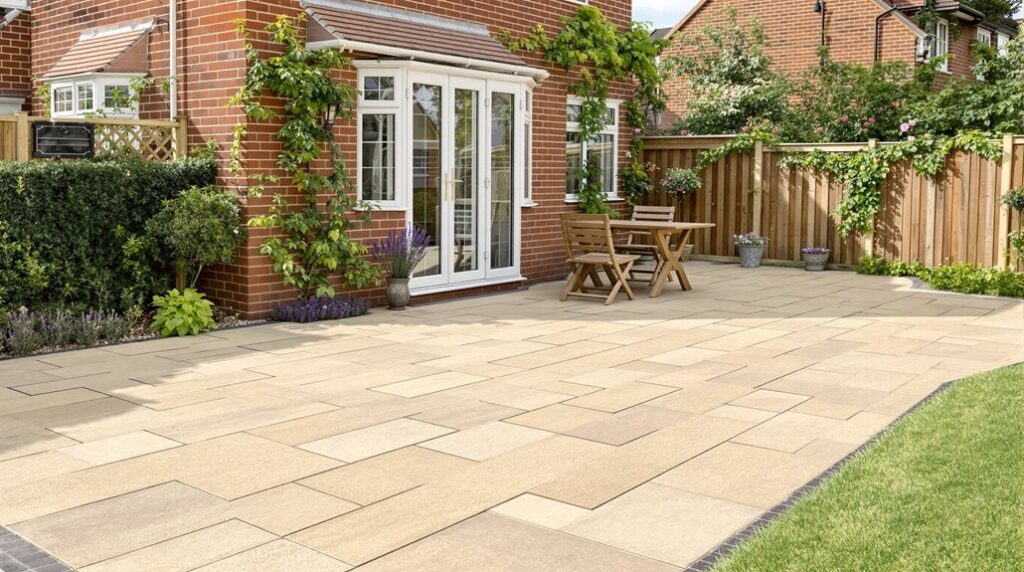
Selecting the appropriate colour for Indian sandstone paving can dramatically transform a Hertfordshire property’s exterior appeal. The natural stone’s diverse palette ranges from warm honey buffs to sophisticated greys, each offering distinct advantages for different architectural styles. Property owners often overlook how local climate conditions influence colour longevity and maintenance requirements. The wrong choice can clash with existing features, while the right selection creates seamless integration that enhances both property value and visual impact.
Understanding the Natural Colour Variations in Indian Sandstone
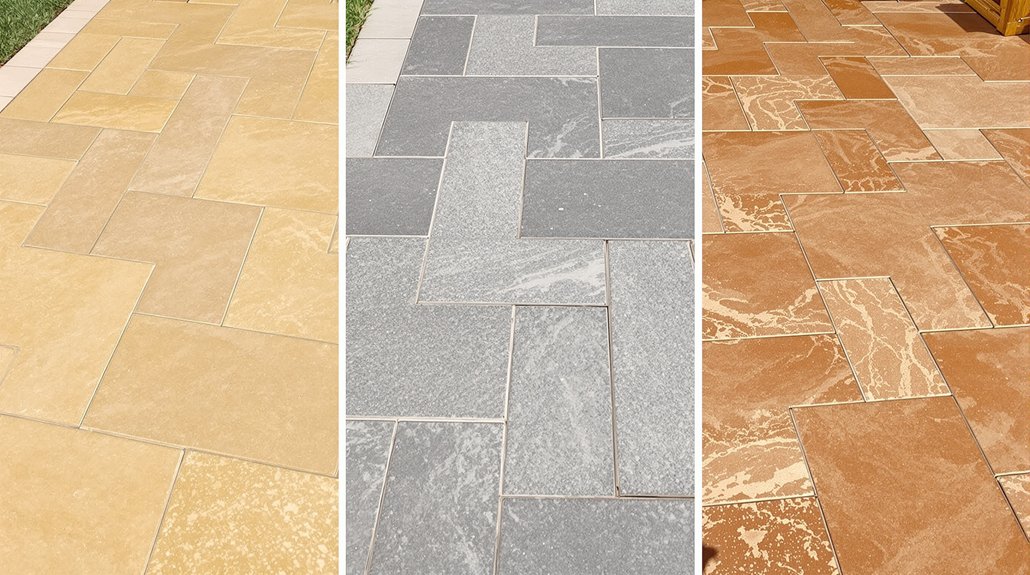
Indian sandstone exhibits an impressive spectrum of natural colours that result from varying mineral compositions and geological formation processes. Iron oxide content creates warm tones ranging from golden buff to deep russet, while quartz deposits produce lighter cream and grey variations. These natural stone characteristics include subtle veining, fossil imprints, and mineral flecks that enhance visual appeal.
Each quarry location yields distinct colour palettes, with Rajasthani deposits offering rich ochres and Punjab sources providing cooler grey tones. Understanding these variations helps property owners select complementary shades for their projects. Proper colour preservation techniques, including appropriate sealing and maintenance, guarantee longevity of the stone’s natural beauty. Environmental factors like moisture and UV exposure can gradually alter appearance, making informed colour selection essential for long-term satisfaction.
Buff and Honey Tones: Perfect for Traditional Hertfordshire Properties
Among the warm-toned varieties available, buff and honey-coloured Indian sandstone creates an ideal complement to Hertfordshire’s distinctive architectural heritage. These earthy tones harmonise beautifully with the county’s traditional brick cottages, timber-framed buildings, and period properties.
Buff colour characteristics include subtle cream and beige undertones that provide a neutral foundation for any garden design. The stone’s natural warmth prevents outdoor spaces from appearing stark whilst maintaining sophisticated elegance.
Buff sandstone’s cream and beige undertones create a sophisticated neutral foundation that adds warmth without overwhelming garden designs.
Honey tone aesthetics offer richer golden hues that enhance natural lighting throughout the day:
- Morning sunlight amplifies the golden warmth
- Afternoon shadows create beautiful depth variations
- Evening light produces a soft amber glow
- Wet conditions intensify the honey colouration
These tones particularly suit properties in St Albans, Hertford, and surrounding villages where traditional architecture dominates the landscape. The unique beauty of Indian sandstone paving has made it a popular choice among Hertfordshire homeowners seeking both aesthetic appeal and long-lasting durability.
Grey Sandstone Options for Contemporary and Modern Homes
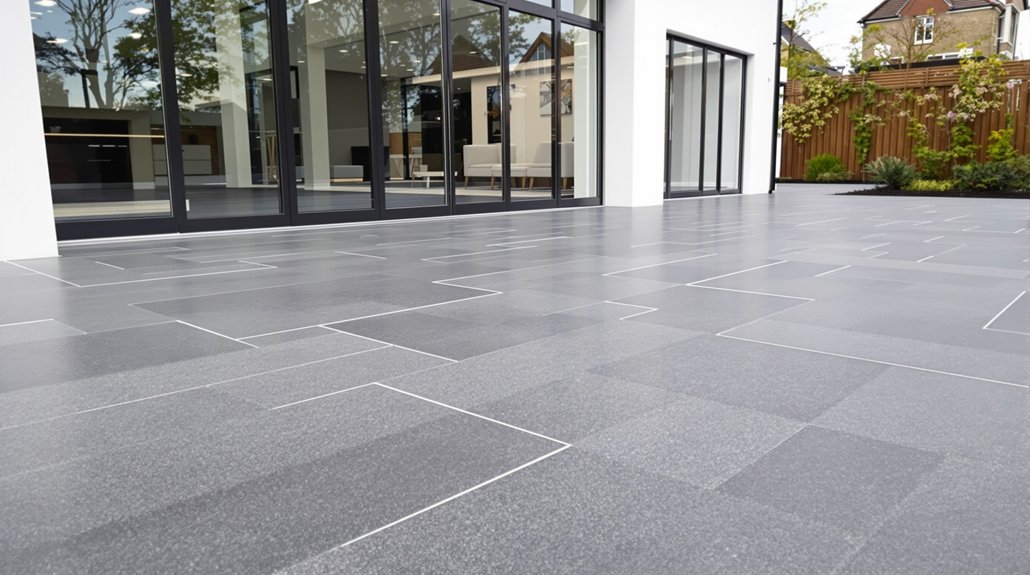
Sleek grey sandstone varieties offer the perfect foundation for contemporary architectural styles throughout Hertfordshire’s modern developments. These sophisticated stones complement minimalist design principles with their clean, neutral palette and refined texture.
Kandla Grey stands as the most popular choice, delivering consistent charcoal tones that enhance modern outdoor spaces. Its subtle colour variations create visual interest without overwhelming contemporary design schemes. Silver Grey provides lighter alternatives, offering cool undertones that pair beautifully with glass, steel, and concrete architectural elements.
Grey sandstone aesthetics work exceptionally well with geometric layouts and sharp lines characteristic of modern properties. The stone’s natural durability guarantees long-lasting performance while maintaining its contemporary appeal. These varieties seamlessly integrate with modern landscaping features, creating cohesive outdoor environments that reflect current design trends across Hertfordshire’s newest residential areas.
Cream and Light Sandstone Colours for Classic Garden Designs
Timeless elegance defines cream and light sandstone varieties that perfectly complement traditional garden aesthetics throughout Hertfordshire’s established residential areas. These neutral tones create sophisticated foundations for classic landscaping schemes, harmonising beautifully with established plantings and period architecture.
Cream aesthetics offer particular advantages for traditional settings:
- Enhanced natural light reflection brightens shaded garden areas and creates spacious visual appeal
- Seamless integration with heritage brick walls, stone features, and traditional building materials
- Versatile backdrop for colourful flowering plants, allowing seasonal displays to take centre stage
- Weather-resistant properties maintain appearance through Hertfordshire’s varied climate conditions
Light textures in sandstone paving provide subtle surface interest without overwhelming delicate garden compositions. The gentle variation in cream and buff tones develops character over time, creating authentic patina that enhances traditional garden charm while maintaining structural integrity.
Matching Sandstone Colours to Your Property’s Architectural Style
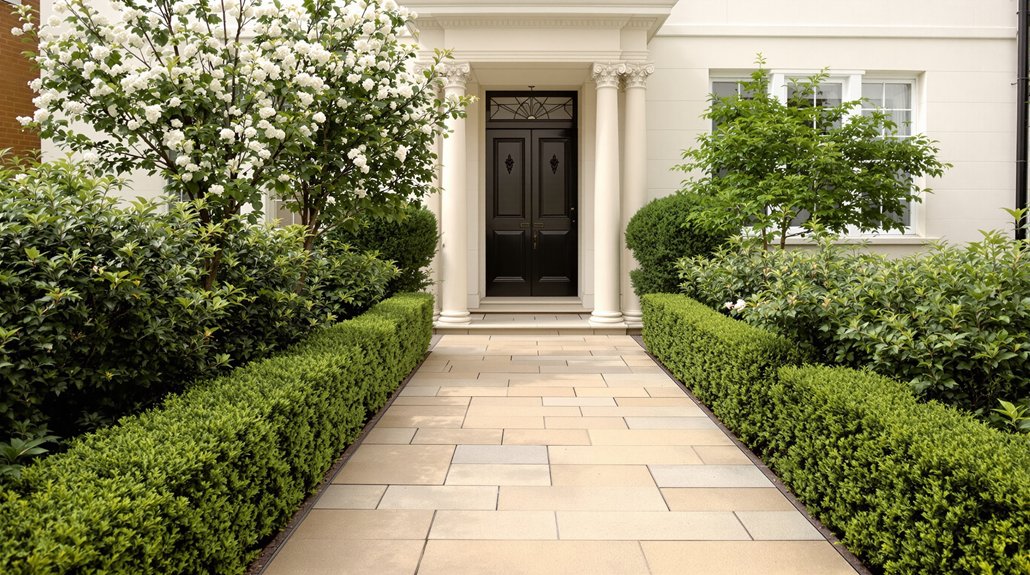
When selecting Indian sandstone paving colours, the architectural style of a property serves as the primary guide for creating harmonious outdoor spaces that enhance rather than compete with existing structures. Traditional Georgian and Victorian homes benefit from classic buff and cream tones that complement period stonework and brick facades. Contemporary properties with clean lines accommodate bolder choices like charcoal grey or silver grey sandstone, creating striking modern aesthetics. Tudor-style homes pair naturally with warmer autumn brown and rustic sandstone colours that echo timber and natural materials. Sandstone aesthetics should reflect the property’s character while maintaining architectural harmony. Consider existing materials, window frames, and roofing when making selections. The goal remains achieving seamless integration between indoor and outdoor spaces.
Climate Considerations and How Hertfordshire Weather Affects Colour Choice
Hertfordshire’s temperate maritime climate presents unique challenges for sandstone paving colour selection, as the county’s frequent rainfall, overcast skies, and seasonal temperature variations markedly impact how colours appear and perform over time.
The climate impact on sandstone colours requires careful consideration when making selections:
- Light colours reflect moisture and appear cleaner during wet periods but may show dirt more readily
- Dark tones absorb heat efficiently during brief sunny spells but can appear subdued under grey skies
- Medium shades offer balanced performance across varying weather conditions and seasonal changes
- Textured surfaces help lighter colours maintain visibility during Hertfordshire’s frequent overcast days
Seasonal durability becomes paramount when selecting appropriate hues, as colours must withstand freeze-thaw cycles while maintaining aesthetic appeal throughout the year’s dramatic weather shifts.
Coordinating Sandstone Paving With Existing Landscape Features
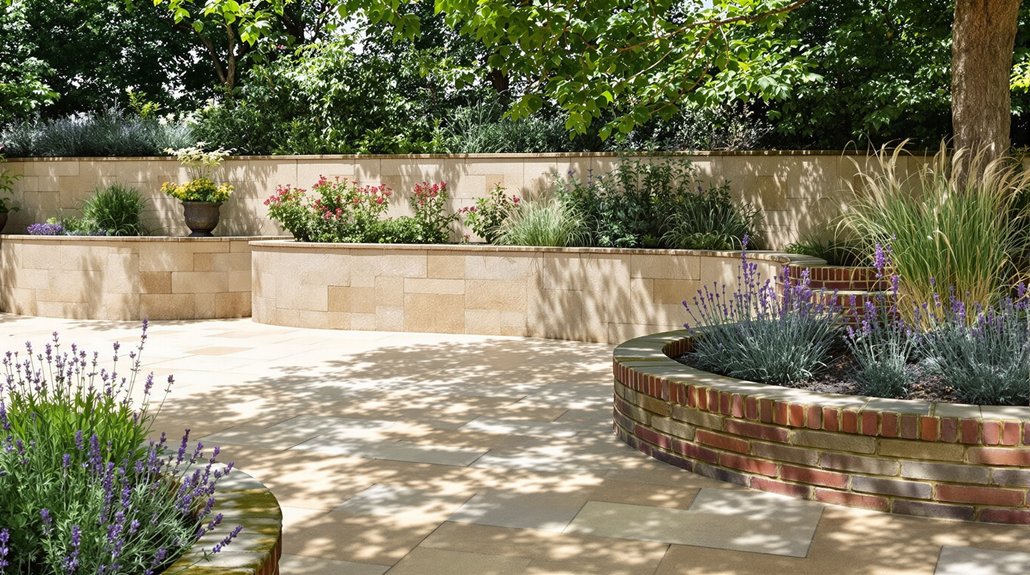
Successful sandstone paving integration depends on carefully analysing existing landscape elements to create a cohesive outdoor environment that enhances rather than competes with established features.
Property owners should examine their garden’s established materials, including brick walls, wooden fencing, stone borders, and architectural details. Blending materials involves selecting sandstone colours that complement these elements rather than clash. For instance, warm buff tones harmonise beautifully with red brick structures, while grey sandstone coordinates with contemporary metal features and rendered walls.
Strategic use of contrast elements can create visual interest without overwhelming the space. A lighter sandstone against darker planting areas provides definition, while maintaining overall harmony. Consider existing plant colours, seasonal foliage changes, and permanent hardscaping when making selections. The goal remains achieving balance between unity and variety throughout the landscape design.
Maintenance Requirements for Different Sandstone Colour Options
Different sandstone colours invariably require varying levels of maintenance to preserve their appearance and structural integrity over time. Lighter-coloured sandstone typically shows dirt, stains, and moss growth more readily than darker alternatives, necessitating more frequent cleaning schedules. Property owners must understand these colour-specific maintenance tips before making their selection.
Essential care guidelines for sandstone colours include:
- Light colours – Regular cleaning with mild detergent and soft brushes to prevent staining
- Medium tones – Periodic sealing every 2-3 years to maintain colour vibrancy
- Dark varieties – Less frequent cleaning but require attention to efflorescence removal
- Multi-coloured options – Balanced approach combining techniques for different colour components
Understanding these maintenance requirements helps homeowners make informed decisions based on their available time and preferred upkeep commitment levels.