
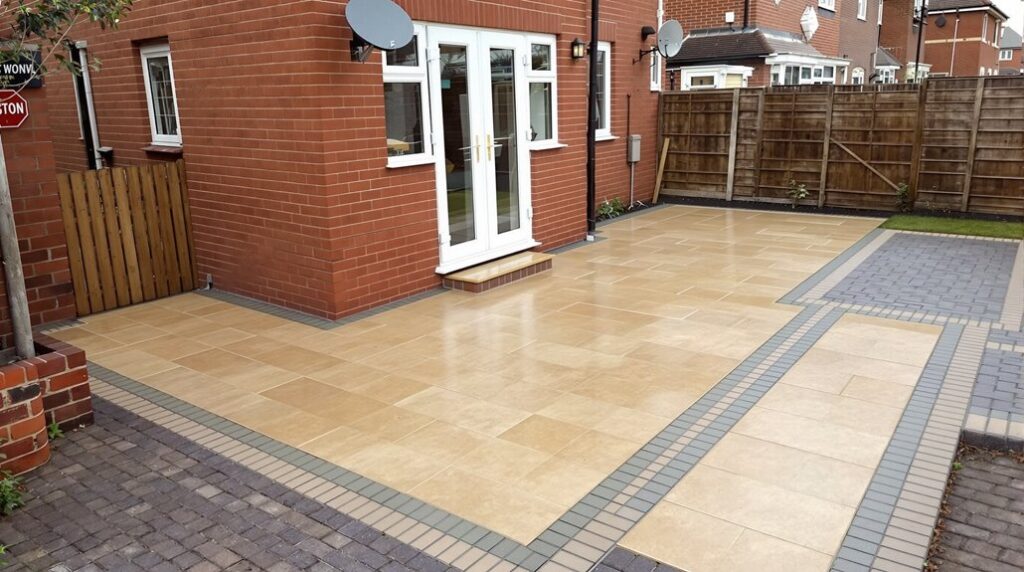
When deciding between driveway resurfacing and replacement, it comes down to the extent of the damage. Resurfacing adds a fresh layer over your existing driveway and costs $1 to $3 per square foot — ideal for minor cracks and surface wear. Replacement removes everything entirely and costs $3 to $10 per square foot, making it necessary for severe structural damage. Knowing which option fits your situation can save you thousands, and we’ve broken it all down for you ahead.
What’s the Difference Between Resurfacing and Replacement?

When it comes to driveway work, resurfacing and replacement are two very different approaches. Resurfacing adds a fresh layer over your existing driveway, restoring its appearance and extending driveway longevity without the cost of a full tear-out. It’s ideal when the base remains structurally sound but the surface shows cracks, fading, or minor damage.
Replacement, on the other hand, removes everything down to the base and starts fresh. We recommend this route when the foundation has failed or damage runs too deep for a surface fix.
Choosing wisely between the two depends on your driveway’s current condition. Following proper maintenance tips — like sealing cracks early and cleaning regularly — can delay the need for full replacement and keep resurfacing a viable, cost-effective option longer.
Signs Your Driveway Can Be Resurfaced

Not every damaged driveway needs a full replacement, and knowing the difference can save you thousands of dollars. During a crack assessment, we look for cracks that are less than a quarter-inch wide, since those respond well to resurfacing. If the surface deterioration is mostly cosmetic — fading, minor cracking, or light pitting — resurfacing is likely your best option.
We also consider the driveway’s age and structural integrity. If the base layer is still solid and the damage hasn’t penetrated deeply, adding a fresh overlay makes practical sense. Potholes smaller than a dinner plate and surface-level spalling are also strong indicators that resurfacing will work. When damage stays at the surface level, you don’t need to tear everything out and start over.
Signs You Need a Full Driveway Replacement
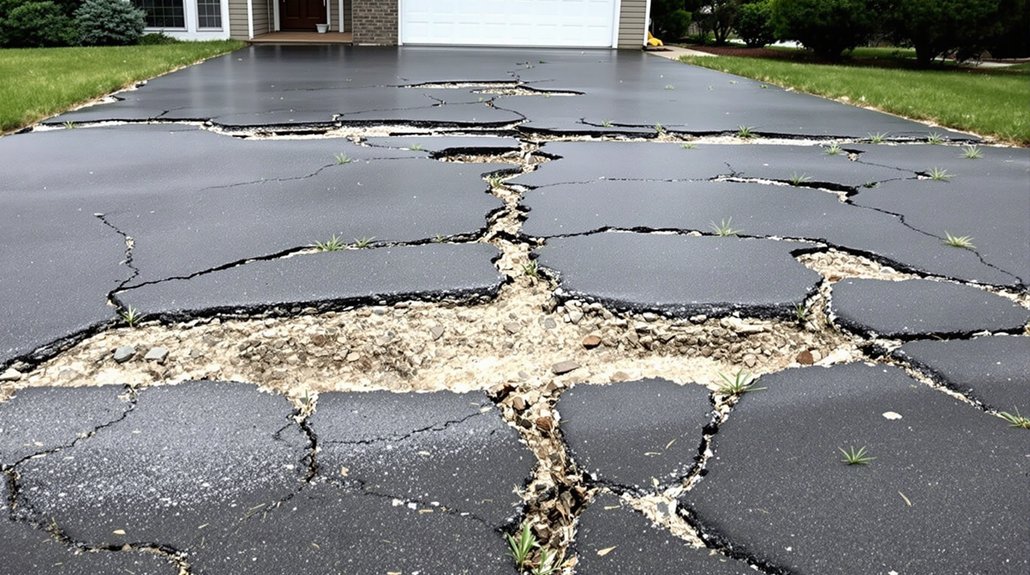
Sometimes the damage goes too deep for resurfacing to fix, and that’s when a full replacement becomes necessary. If your driveway has widespread cracked pavement that runs through the base layer, patching or resurfacing won’t hold for long. The underlying structure is compromised, and any surface-level fix will fail quickly.
Watch for sinking areas as well. When sections of your driveway drop or shift unevenly, it usually signals a failing sub-base or serious drainage problems beneath the surface. Resurfacing can’t correct structural issues like these.
Other signs you need a full replacement include: multiple potholes across the entire surface, a driveway that’s over 20 years old, or extensive damage from tree roots. At that point, starting fresh is the smarter, more cost-effective long-term investment.
How Much Does Each Option Cost?

Cost is one of the biggest factors when deciding between resurfacing and a full replacement. Resurfacing typically runs between $1 and $3 per square foot, making it a budget-friendly option for driveways in decent structural condition. A full replacement, however, costs between $3 and $10 per square foot depending on materials, labor, and your location.
For a standard 600-square-foot driveway, that’s roughly $600–$1,800 for resurfacing versus $1,800–$6,000 for replacement. This cost comparison makes resurfacing appealing when the underlying base is still solid.
When weighing budget considerations, think long-term. Resurfacing a compromised driveway may save money now but cost more later if the foundation continues to deteriorate. We recommend getting multiple quotes to find the best value for your specific situation.
How Long Does Each Option Actually Last?

Beyond budget, longevity plays an equally important role in determining which option makes the most financial sense. When evaluating driveway longevity and surface durability, each material performs differently over time.
- Asphalt resurfacing: Lasts 8–15 years with proper sealing and maintenance
- Concrete resurfacing: Extends lifespan by 8–10 years, depending on climate and usage
- Full asphalt replacement: Delivers 20–30 years of reliable performance
- Full concrete replacement: Offers the strongest surface durability, lasting 30–50 years
Resurfacing buys time but doesn’t reset the clock entirely. If your base has structural issues, resurfacing may fail prematurely, making replacement the smarter long-term investment. We recommend weighing cost-per-year rather than upfront price alone to determine true value.
Best Materials for Driveway Resurfacing

Choosing the right resurfacing material directly affects how long your driveway lasts and how much you’ll spend maintaining it. Our cost comparison and longevity assessment below highlights the top options:
| Material | Key Advantage |
|---|---|
| Asphalt overlay | Affordable, quick installation |
| Concrete resurfacer | High durability, clean finish |
| Epoxy coating | Excellent adhesion, stain resistance |
Each material suits different budgets and climates. Asphalt works well in freeze-thaw regions, while concrete resurfacers handle heavy loads effectively. Epoxy coatings excel in garages or mild climates.
We recommend matching your material choice to your existing driveway condition. Applying asphalt over cracked concrete, for example, won’t hold. Always assess the base before committing to any resurfacing solution.
Best Materials for a Full Driveway Replacement

When resurfacing isn’t enough, a full replacement gives you the chance to start fresh with the right material from the ground up. Choosing wisely now saves you money and headaches long-term.
Sometimes starting over is the smartest move you can make for your driveway’s future.
Here are top materials worth considering:
- Asphalt – Known for asphalt durability, it handles freeze-thaw cycles well and costs less upfront
- Concrete – Concrete longevity makes it a smart investment, often lasting 30–50 years with minimal maintenance
- Pavers – Offer visual appeal and easy spot repairs without full replacement
- Gravel – Budget-friendly and excellent for drainage, though it requires periodic regrading
Each material carries different costs, lifespans, and maintenance demands. We recommend matching your choice to your climate, budget, and how much upkeep you’re willing to commit to.
Can You DIY It, or Do You Need a Pro?

Whether you tackle driveway resurfacing yourself or hire a professional depends on the project’s scope, your skill level, and the materials involved. For minor cracks and surface repairs, DIY tips like using pre-mixed patching compounds can save you money. However, full replacements involving concrete or asphalt require specialized equipment and expertise that most homeowners don’t have.
Cost considerations matter considerably here. DIY resurfacing might run $100–$300 in materials, while professional services cost $1,000–$5,000 depending on size and material. Mistakes on a DIY project can create drainage issues or premature cracking, ultimately costing more to fix. If your driveway needs a complete overhaul, we strongly recommend hiring a licensed contractor to guarantee proper grading, compaction, and long-term durability.
How to Find the Right Driveway Resurfacing or Replacement Contractor

If you’ve decided to bring in a professional, finding the right contractor makes all the difference between a driveway that lasts decades and one that fails within a few years. Contractor qualifications and project timelines should be your top priorities when vetting candidates.
- Verify licenses, insurance, and local permits before signing anything
- Request at least three written quotes that include detailed project timelines
- Check online reviews and ask for references from completed driveway projects
- Get everything in writing, including materials, labor costs, warranties, and start and completion dates
Never pay the full amount upfront. A reputable contractor will typically request a reasonable deposit and collect the remainder once the work meets agreed-upon standards.