
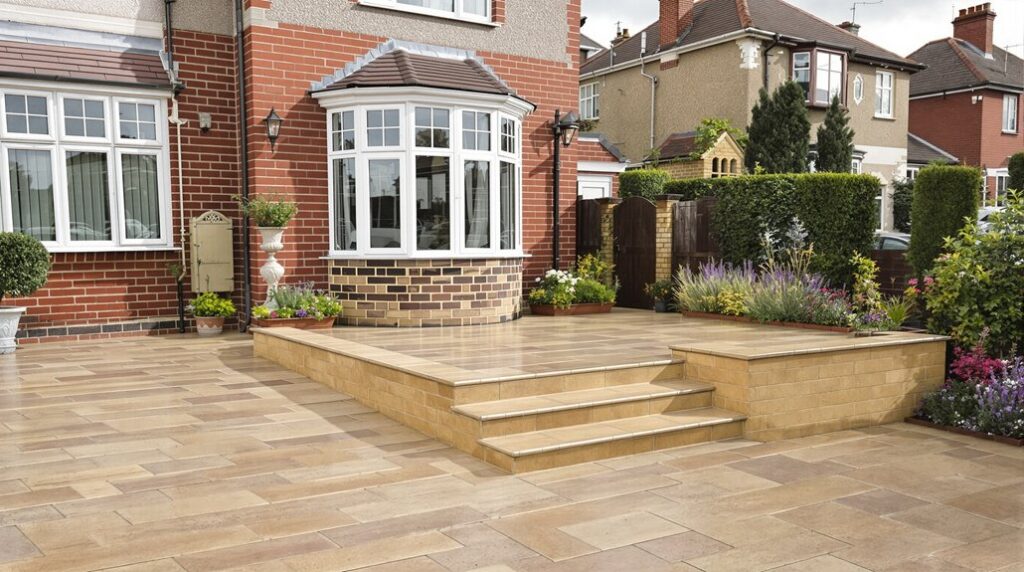
A home’s architectural style serves as the foundation for every exterior design decision, yet many homeowners overlook how their driveway either enhances or detracts from their property’s overall aesthetic. The materials, patterns, and colors chosen for this prominent feature can either create seamless visual harmony or clash dramatically with existing design elements. Understanding the relationship between architectural periods and appropriate paving solutions reveals specific strategies that transform an ordinary entrance into a compelling extension of the home’s character.
Understanding Your Home’s Architectural Style
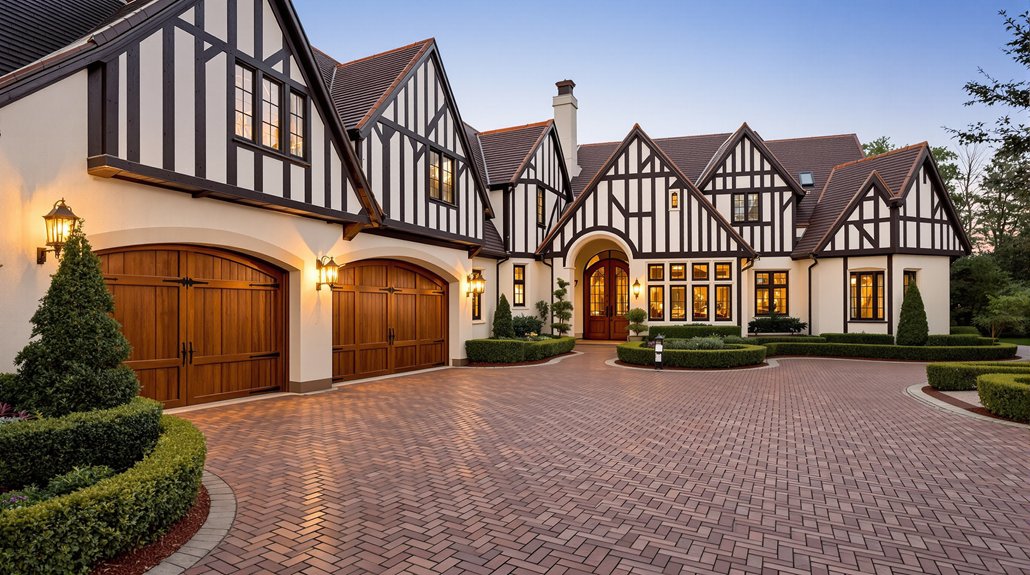
How does one determine which driveway materials and designs will complement their home’s existing aesthetic? The process begins with identifying the home’s architectural style through careful observation of key design elements. Homeowners should examine their property’s roofline, window shapes, exterior materials, and decorative details to establish the dominant architectural theme.
Traditional styles like Colonial or Victorian feature distinct architectural features such as symmetrical facades, ornate trim work, and classical proportions. Modern homes showcase clean lines, geometric forms, and minimal ornamentation. Craftsman-style properties display exposed beams, natural materials, and handcrafted details.
Effective style differentiation requires understanding these fundamental characteristics. Ranch homes emphasize horizontal lines and integration with landscape, while Mediterranean styles incorporate stucco, tile roofs, and arched openings. This foundational knowledge guides appropriate driveway material selection and layout decisions. Professional installers offer customised solutions that enhance curb appeal while respecting these architectural nuances and functional requirements.
Modern and Contemporary Home Driveway Options
Modern and contemporary homes demand driveway solutions that echo their architectural emphasis on simplicity, functionality, and visual impact. Clean lines and minimalist aesthetics require materials that complement rather than compete with the home’s design philosophy.
The ideal driveway seamlessly integrates with modern architecture, enhancing rather than overwhelming the home’s minimalist design language.
Optimal driveway materials for modern architecture include:
- Polished concrete – Creates sleek, uninterrupted surfaces that reflect the home’s geometric precision
- Stamped concrete – Offers customizable patterns while maintaining contemporary sophistication
- Permeable paving – Combines environmental responsibility with modern design sensibilities
- Natural stone slabs – Provides organic texture that balances stark architectural elements
These materials support the contemporary emphasis on sustainability and low maintenance while delivering the visual drama modern homeowners seek. The key lies in selecting options that enhance the home’s architectural statement rather than distract from its intended aesthetic impact.
Traditional and Colonial Architecture Paving Solutions
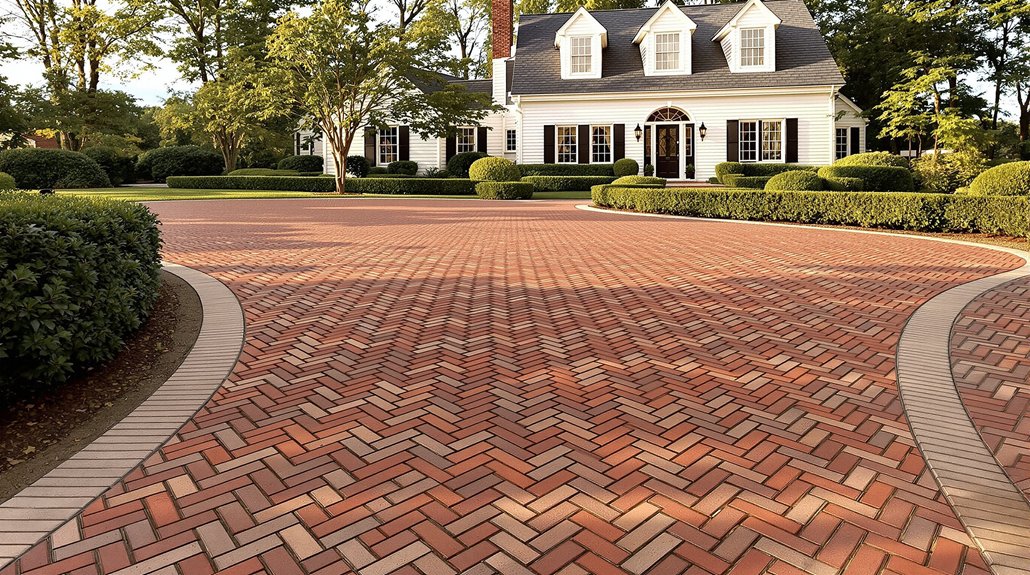
Traditional and Colonial architecture calls for driveway materials that honor historical authenticity while meeting contemporary durability standards. Brick pavers remain the quintessential choice, offering timeless appeal through their warm red tones and classic herringbone or basket-weave patterns. Cobblestone provides another historically accurate option, though modern concrete alternatives can achieve similar aesthetics with improved functionality.
Gravel driveways complement Colonial homes beautifully, particularly when bordered by brick or stone edging. Natural stone, including bluestone and flagstone, enhances the period-appropriate character while ensuring longevity. The paving materials selection should reflect historical design influences evident in the home’s facade, emphasizing symmetry and understated elegance. Darker materials typically suit Colonial styling better than contemporary light-colored options, maintaining visual harmony between driveway and architectural elements.
Rustic and Farmhouse Driveway Materials
Farmhouse and rustic architectural styles demand driveway materials that embrace natural textures and earth-toned aesthetics. These homes benefit from surfaces that complement their unpretentious charm and connection to rural landscapes.
Gravel choices prove ideal for farmhouse settings, offering practical drainage while maintaining authentic character. Crushed stone, pea gravel, and decomposed granite create inviting pathways that age gracefully. Reclaimed materials like weathered brick or antique cobblestones add historical depth and sustainability.
Essential rustic driveway elements:
- Natural stone pathways – Irregular flagstone creates an organic, timeless appeal
- Weathered brick borders – Aged materials tell stories of enduring craftsmanship
- Mixed gravel textures – Layered stones provide visual interest and rustic authenticity
- Permeable surfaces – Eco-friendly options reflect countryside environmental consciousness
Mediterranean and Spanish-Style Home Approaches
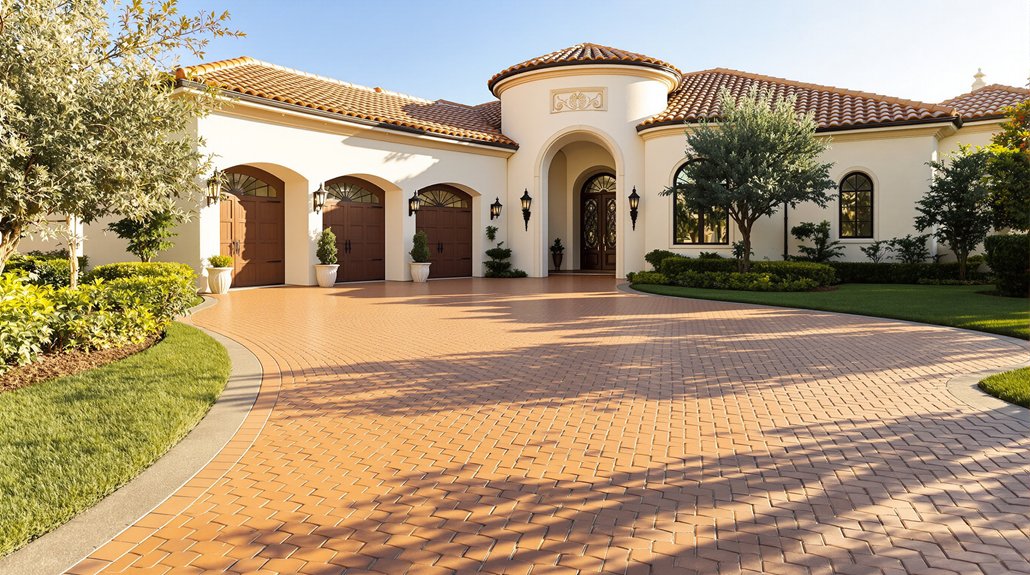
Warmth and elegance define Mediterranean and Spanish-style architecture, requiring driveway materials that echo the sun-soaked coastlines and terracotta landscapes of Southern Europe. Natural stone, clay pavers, and decorative tile driveways create authentic Mediterranean charm while complementing stucco finishes and archway details.
| Material | Visual Appeal | Maintenance Level |
|---|---|---|
| Terracotta Pavers | Rustic, warm tones | Medium |
| Natural Stone | Elegant, timeless | Low |
| Decorative Tiles | Colorful, artistic | High |
Terracotta and clay pavers provide traditional warmth, while natural stone offers durability and sophistication. Decorative ceramic tiles add artistic flair but require careful maintenance. These materials harmonize with wrought iron gates, fountain features, and curved pathways typical of Spanish colonial design. Proper drainage becomes essential given the ornate surface textures common in Mediterranean driveway installations.
Craftsman and Bungalow Design Considerations
Craftsman and bungalow architecture emphasizes natural materials and handcrafted details, demanding driveways that reflect these foundational design principles. These homes showcase horizontal lines, exposed beams, and stone or wood elements that create intimate, human-scaled environments.
Successful driveway designs honor Craftsman aesthetics through material selection and proportional relationships. Bungalow proportions require careful consideration to avoid overwhelming the home’s modest scale.
Thoughtful material choices and proportional harmony ensure driveways complement rather than compete with the intimate scale of Craftsman homes.
- Weathered brick pavers create warmth that echoes the home’s handcrafted character
- Natural stone borders frame the driveway while complementing existing stonework
- Gravel or crushed stone surfaces provide authentic texture reminiscent of historic paths
- Low retaining walls with capstones add architectural interest without competing with the home’s prominence
The driveway becomes an extension of the home’s philosophy, celebrating simplicity and natural beauty.
Color Coordination With Exterior Elements
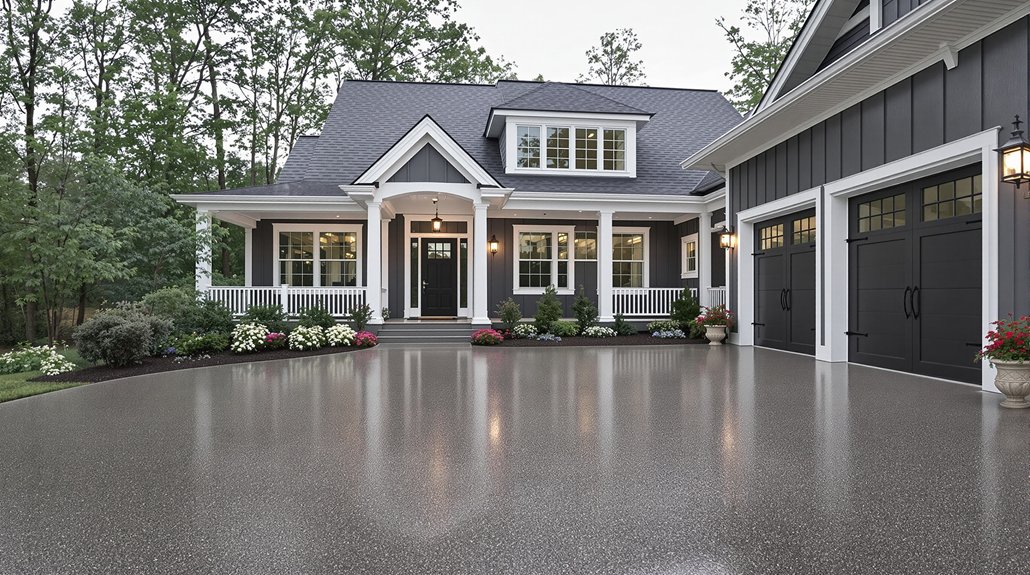
Successful driveway design hinges on establishing harmonious color relationships between the pavement surface and the home’s exterior palette. Color psychology plays an essential role in creating visual cohesion, as warm tones complement brick and earth-based materials while cooler shades enhance contemporary siding and stone. Material selection should consider existing architectural elements including shutters, trim, roofing, and foundation colors.
| Exterior Element | Recommended Driveway Color | Material Options |
|---|---|---|
| Red Brick | Charcoal Gray | Concrete, Asphalt |
| White Siding | Medium Gray | Stamped Concrete |
| Natural Stone | Beige/Tan | Pavers, Gravel |
| Dark Trim | Light Gray | Exposed Aggregate |
| Blue Accents | Warm Gray | Decorative Concrete |
Strategic color coordination guarantees the driveway enhances rather than competes with the home’s aesthetic identity.
Pattern and Texture Matching Techniques
The architectural details of a home provide essential visual cues for selecting appropriate driveway patterns and textures that create seamless design integration. Brick homes benefit from cobblestone or herringbone patterns that echo existing masonry work. Contemporary structures pair well with smooth concrete featuring subtle geometric designs. Traditional houses with wood siding complement stamped concrete resembling natural stone textures.
Effective matching techniques include:
Strategic driveway design techniques create powerful visual connections between hardscaping and home architecture through thoughtful pattern and texture coordination.
- Echoing roof tile patterns in driveway stamping creates stunning visual harmony
- Mirroring foundation stone textures establishes powerful architectural continuity
- Repeating window trim angles in concrete scoring delivers sophisticated elegance
- Balancing smooth and rough surfaces prevents overwhelming textural competition
Pattern repetition strengthens the connection between driveway and home, while thoughtful texture contrasts add visual interest without compromising architectural unity.
Budget-Friendly Ways to Upgrade Your Existing Driveway
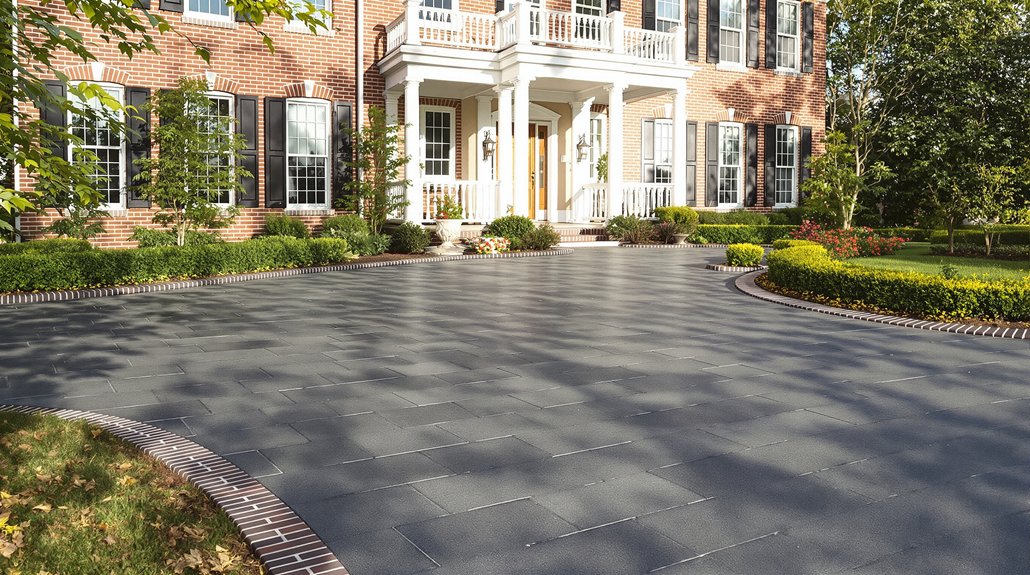
While achieving perfect architectural harmony might seem expensive, homeowners can transform their existing driveways without major reconstruction costs. Strategic driveway landscaping creates visual cohesion through border plantings that echo the home’s style—formal hedges for traditional houses or native grasses for contemporary designs. Adding decorative edging using budget materials like brick pavers or concrete strips defines boundaries and introduces architectural elements. Staining concrete driveways costs considerably less than replacement while offering color coordination with exterior finishes. Power washing and resealing asphalt surfaces refreshes appearance affordably. Installing lighting along edges enhances both safety and architectural appeal. These incremental improvements allow gradual transformation over time, spreading costs across multiple seasons while achieving the desired aesthetic integration between driveway and home architecture.