
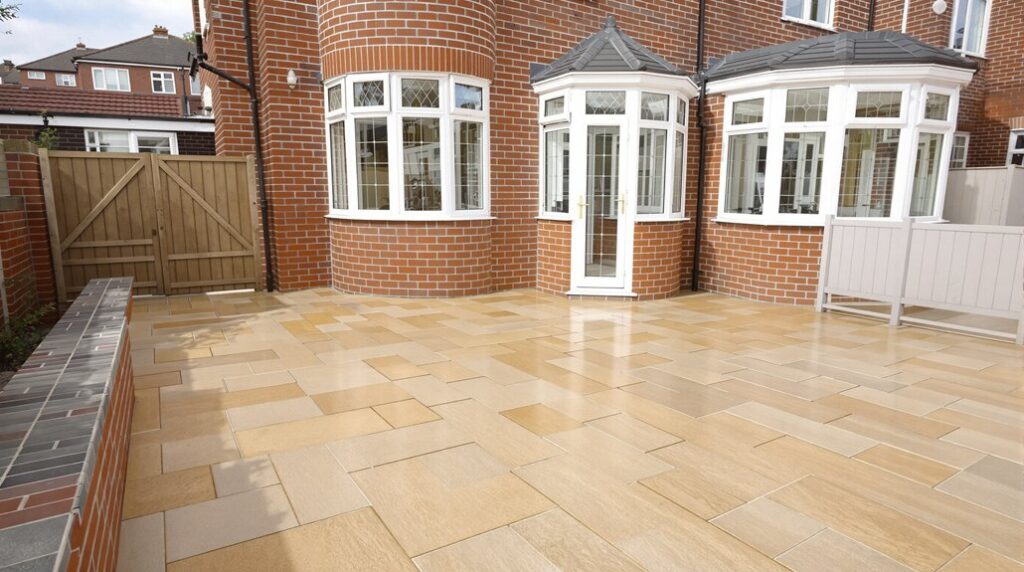
A natural stone driveway is one of the best investments you can make for your home’s exterior. Options like granite, slate, limestone, and cobblestone offer durability that outlasts concrete and asphalt by decades. Yes, the upfront cost runs higher at $15–$50 per square foot, but the lifespan, low maintenance, and curb appeal make it worth every penny. Stick with us and we’ll walk you through everything you need to know.
The Best Types of Stone for Your Driveway
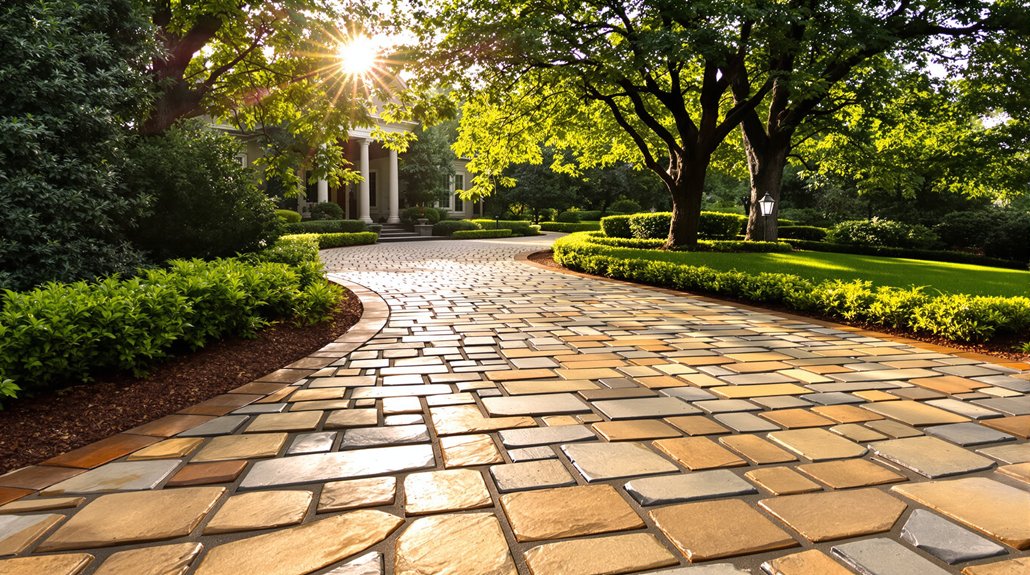
When it comes to driveway stones, not all options are created equal. We’ve found that choosing the right material makes a significant difference in durability, aesthetics, and long-term value. Granite pavers are among the top choices because they’re incredibly dense, weather-resistant, and handle heavy vehicle traffic without cracking. They also offer a polished, high-end look that elevates any property’s curb appeal.
Slate tiles are another excellent option, particularly for homeowners who prefer a more textured, natural appearance. They’re slip-resistant and hold up well against freeze-thaw cycles. However, slate requires proper sealing to prevent moisture penetration.
Other strong contenders include limestone, sandstone, and cobblestone, each bringing unique visual character and functional benefits. We recommend selecting stone based on your climate, budget, and desired aesthetic.
Natural Stone vs. Concrete and Asphalt Driveways

Choosing between natural stone, concrete, and asphalt comes down to more than just upfront cost. A durability comparison reveals stone outlasts both alternatives, while its aesthetic appeal remains unmatched. We’ve broken down the key differences below.
| Feature | Natural Stone | Concrete | Asphalt |
|---|---|---|---|
| Lifespan | 50–100+ years | 25–50 years | 20–30 years |
| Aesthetic Appeal | High | Moderate | Low |
| Maintenance | Low | Moderate | High |
| Upfront Cost | High | Moderate | Low |
Stone requires minimal upkeep, resists cracking, and improves property value considerably. Concrete cracks under freeze-thaw cycles, while asphalt demands regular sealing. If you’re investing long-term, natural stone delivers the strongest return across both performance and visual impact.
How Much Does a Natural Stone Driveway Cost?
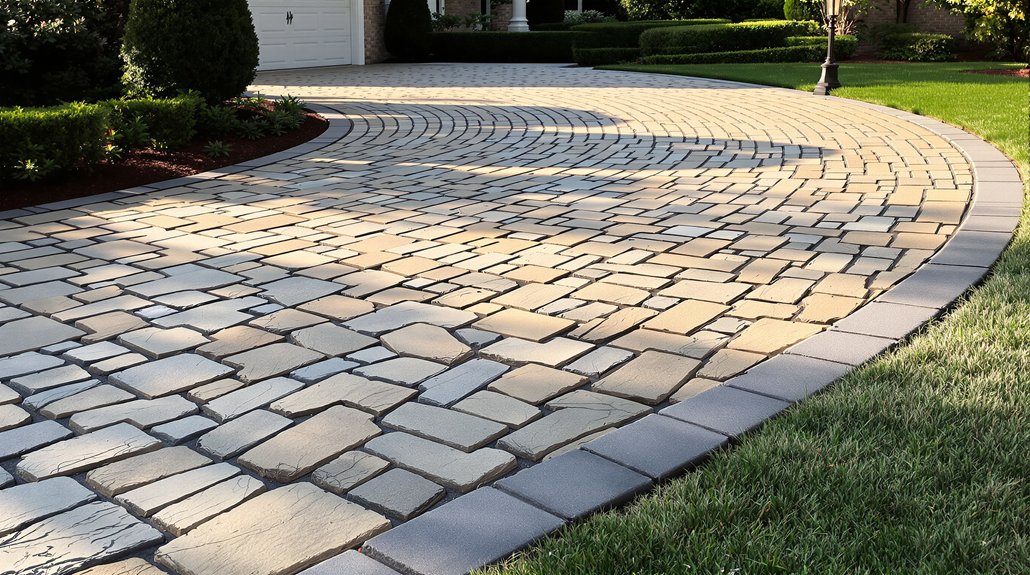
Natural stone driveway costs vary widely depending on material choice, square footage, and regional labor rates. On average, you’ll spend between $15 and $50 per square foot installed. Gravel and crushed stone sit at the lower end, while flagstone, bluestone, and granite push toward the higher range.
Several installation factors affect your final price, including site preparation, grading, drainage, and the complexity of the pattern or layout you choose. Labor alone can account for 40–60% of your total project cost.
For a cost comparison, concrete typically runs $8–$18 per square foot, and asphalt ranges from $7–$15. Natural stone costs more upfront, but its longevity and minimal maintenance requirements often make it the smarter long-term investment for your property.
How Natural Stone Driveway Installation Actually Works

Installing a natural stone driveway is a multi-step process that goes well beyond simply laying stones on the ground. Pre-installation preparation and drainage considerations are critical to ensuring your driveway lasts for decades. Here’s how the process typically unfolds:
Installing a natural stone driveway takes careful planning — proper preparation and drainage are what make it last for decades.
- Site excavation — We remove existing material and dig 8–12 inches deep to create a stable foundation.
- Drainage considerations — We grade the surface and install drainage solutions to prevent water pooling and erosion.
- Base layer installation — We compact crushed gravel or aggregate to form a solid, load-bearing sub-base.
- Stone setting and jointing — We place each stone precisely, then fill joints with sand, mortar, or polymeric filler.
Pre-installation preparation done right means fewer repairs and a stronger finished surface overall.
How to Maintain a Natural Stone Driveway Year-Round

Once your natural stone driveway is in place, a few simple maintenance habits will keep it looking sharp and performing well through every season. We recommend scheduling seasonal cleaning twice a year — spring and fall work best. Use a stiff brush, mild detergent, and a garden hose to clear debris, dirt, and organic buildup. Avoid pressure washing at high settings, as it can erode grout and loosen stones.
Sealing techniques matter just as much as cleaning. Apply a penetrating stone sealer every one to two years to protect against moisture, freeze-thaw cycles, and staining. Before sealing, make sure the surface is fully dry and clean. In winter, skip salt-based deicers — they damage stone surfaces. Use sand or calcium magnesium acetate instead for safe traction.
Does a Natural Stone Driveway Increase Home Value?

Keeping your natural stone driveway in great shape does more than protect your investment — it also positions your home to command a higher price on the market. A well-maintained stone driveway dramatically boosts curb appeal and directly impacts resale value. Here’s why buyers notice it immediately:
- Lasting Durability — Stone signals quality construction, reassuring buyers of long-term value.
- Visual Impact — A striking entrance creates a strong first impression that photographs well in listings.
- Low Maintenance Appeal — Buyers appreciate driveways requiring minimal upkeep over time.
- Premium Perceived Value — Natural stone elevates the overall property aesthetic, justifying higher asking prices.
Investing in proper care today translates into measurable financial returns when it’s time to sell.